The United States has reinstated sanctions on Iranian oil exports after a series of attacks on oil and liquefied natural gas (LNG) tankers in and around the Strait of Hormuz, marking a significant escalation in its economic pressure campaign against Tehran and further straining already fragile diplomatic relations.
The move comes as tensions between Washington and Tehran continue to intensify following renewed military exchanges and attacks on commercial shipping in one of the world’s most strategically important maritime corridors. The decision is expected to have wide-ranging implications for global energy markets, international shipping, and ongoing diplomatic efforts aimed at preventing a broader regional conflict.
Washington Ends Temporary Sanctions Relief
The U.S. Treasury Department announced that it is revoking the general license that had temporarily authorized limited Iranian oil sales under a previous diplomatic understanding between the two countries.
The license, originally scheduled to remain in effect until August 21 as part of a wind-down period, will now expire on July 17, effectively cutting short Iran’s ability to legally continue certain oil export transactions.
U.S. officials said the decision was prompted by recent attacks on commercial oil and LNG tankers transiting the Strait of Hormuz, which Washington has attributed to Iran. The United States described the attacks as “wholly unacceptable” and said renewed sanctions are intended to hold Tehran accountable while protecting international maritime commerce.
Tanker Attacks Trigger Fresh Escalation
According to U.S. officials, three commercial vessels were struck by unidentified projectiles while navigating the Strait of Hormuz, a vital shipping lane through which roughly one-fifth of the world’s oil supply passes.
Although Iran has not publicly accepted responsibility for the incidents, the attacks have heightened concerns over the security of global energy supplies and prompted an immediate response from Washington.
The sanctions announcement follows renewed U.S. military operations targeting Iranian military infrastructure after the shipping attacks, raising fears that the confrontation could evolve into a wider regional conflict involving additional countries in the Gulf.
Oil Markets React Sharply
Global energy markets reacted swiftly to the announcement.
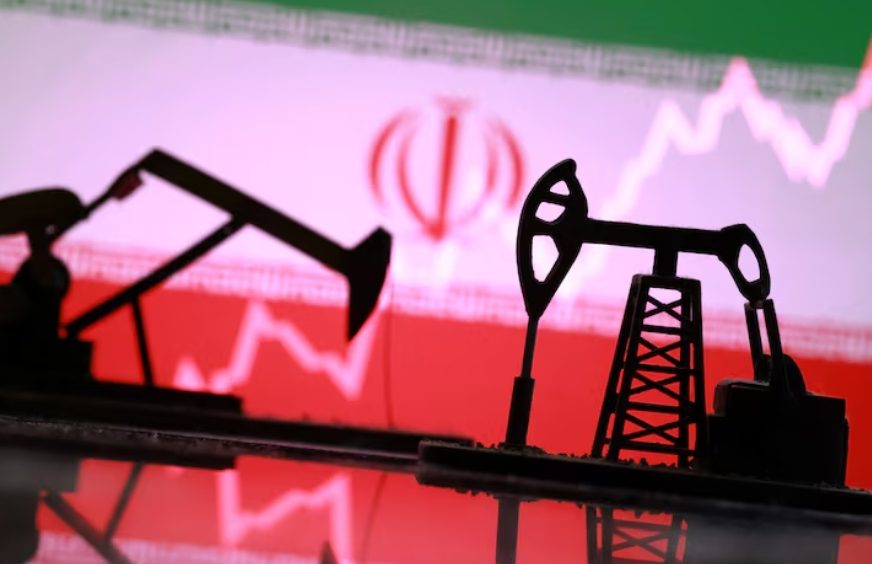
Brent crude climbed above $76 per barrel, while U.S. benchmark crude also recorded gains of more than 5%, reflecting growing concerns that instability in the Strait of Hormuz could disrupt global energy supplies.
Market analysts warned that the latest developments have significantly increased geopolitical risk premiums, with traders closely monitoring both military developments and the possibility of further restrictions on shipping through the Gulf.
Higher oil prices could translate into increased fuel costs worldwide if tensions continue to escalate.
Pressure on Iran’s Economy
Oil exports remain one of Iran’s most important sources of foreign revenue despite years of international sanctions.
The renewed restrictions are expected to complicate Tehran’s efforts to sell crude oil, particularly to major buyers in Asia, while increasing financial pressure on the Iranian government.
Analysts note that the sanctions also send a strong signal that Washington is prepared to use both military and economic measures in response to actions it believes threaten international security and freedom of navigation.
Diplomatic Talks Face New Uncertainty
The latest sanctions cast fresh uncertainty over diplomatic efforts aimed at reducing tensions between the United States and Iran.
Recent negotiations had sought to establish a framework for broader discussions on regional security, sanctions relief, and maritime stability. However, the renewed exchange of military actions and economic penalties has complicated those efforts.
Despite the worsening crisis, U.S. officials have indicated that diplomatic channels remain open if Iran refrains from further attacks on international shipping and regional targets. Tehran has meanwhile accused Washington of undermining previous understandings through both military strikes and renewed sanctions.
Global Attention on the Strait of Hormuz
The Strait of Hormuz remains at the center of international concern due to its critical role in global energy transportation.
Governments and shipping companies are closely monitoring the security situation as naval forces from several countries increase patrols in the region to safeguard commercial vessels.
Industry experts warn that any prolonged disruption could affect global supply chains, increase shipping insurance costs, and place additional pressure on energy-importing economies.
With military tensions, economic sanctions, and diplomatic uncertainty converging, the coming days are expected to be crucial in determining whether the crisis moves toward de-escalation or develops into a broader regional confrontation.
________________________________________________________________________________________________________________