Israeli Leader Reaffirms Commitment to Prevent Iran From Acquiring Nuclear Weapons
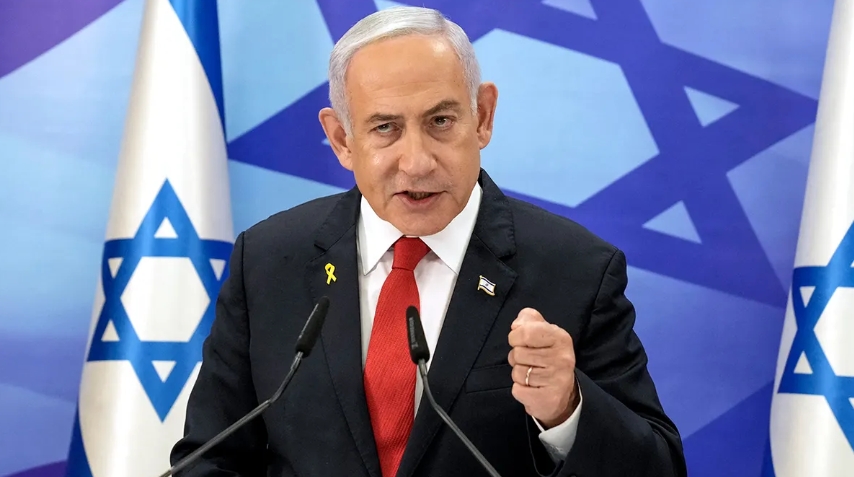
Israeli Prime Minister Benjamin Netanyahu has reiterated that Israel will continue taking all necessary measures to prevent Iran from acquiring a nuclear weapon, declaring that the country’s security remains his government’s highest priority amid renewed regional tensions.
Speaking during recent public remarks, Netanyahu said Israel would not allow Iran to develop nuclear weapons “with or without” international agreements, emphasizing that his government remains committed to stopping what it views as a direct threat to Israel’s existence.
Israel Maintains Firm Position on Iran’s Nuclear Ambitions
Netanyahu said Israel would continue strengthening its military capabilities and maintaining pressure on Iran’s nuclear program, arguing that Tehran must never be allowed to possess nuclear weapons.
Israeli officials have consistently maintained that a nuclear-armed Iran would significantly alter the security balance in the Middle East and could trigger a wider regional arms race. The Israeli government says preventing nuclear proliferation remains central to its national security strategy.
International Concerns Over Nuclear Proliferation
Concerns about Iran’s nuclear activities extend beyond Israel. The United States, European countries, NATO leaders, and the Group of Seven (G7) have repeatedly stated that Iran should not be allowed to develop or acquire nuclear weapons, while supporting diplomatic efforts to ensure Tehran’s nuclear programme remains exclusively peaceful.
International officials continue to support negotiations and monitoring by the International Atomic Energy Agency (IAEA) as the preferred means of ensuring compliance with nuclear commitments and reducing the risk of conflict.
Diplomatic Efforts Continue Alongside Security Measures
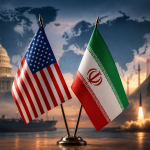
Netanyahu’s comments come as diplomatic contacts between Washington and Tehran continue despite the recent collapse of a temporary ceasefire. While negotiations remain ongoing, Israeli leaders have expressed skepticism that diplomacy alone will prevent Iran from eventually obtaining nuclear weapons.
Israel has indicated it will retain the ability to act independently should it determine that Iran is moving closer to developing a nuclear weapon.
Global Security Implications
Security analysts warn that preventing nuclear proliferation remains one of the international community’s key priorities, with many governments arguing that an Iranian nuclear weapon could increase regional instability, heighten the risk of military confrontation, and encourage other Middle Eastern states to pursue their own nuclear capabilities.
As negotiations continue, world leaders are expected to balance diplomatic engagement with economic and security measures aimed at ensuring Iran’s nuclear activities remain peaceful and in line with international obligations.
________________________________________________________________________________________________________________