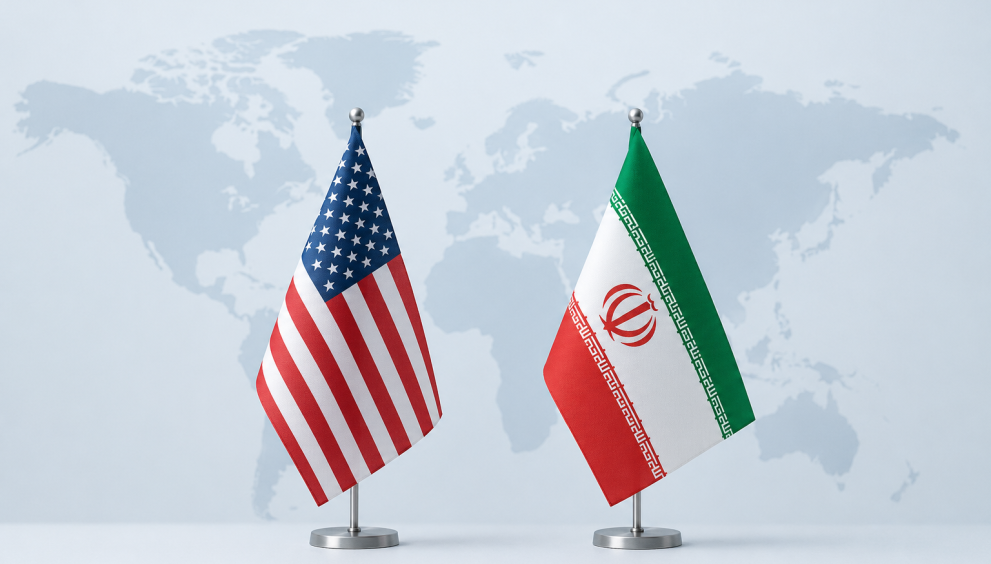
The United States has carried out a fresh wave of military strikes against Iran, marking a significant escalation in the conflict after Washington accused Tehran of attacking commercial shipping in the strategically vital Strait of Hormuz.
According to the U.S. Central Command (CENTCOM), the latest strikes targeted Iranian military assets believed to be involved in operations threatening international maritime security. The Pentagon said the attacks were intended to impose “heavy costs” on Iran following what it described as unjustified aggression against commercial vessels and civilian crews navigating one of the world’s most important oil transit routes.
The strikes came shortly after U.S. President Donald Trump declared that the interim agreement aimed at ending the conflict with Iran was effectively “over,” accusing Tehran of repeatedly violating its commitments. Speaking during the NATO summit in Ankara, Trump warned that the United States would respond decisively to further Iranian actions while insisting Washington was not seeking a prolonged war.
More Than 80 Targets Reportedly Hit
CENTCOM confirmed that the latest military operation struck more than 80 targets across Iran, including missile launch sites, drone facilities, command centers, radar systems and military infrastructure linked to attacks on international shipping.
U.S. officials said the objective was to degrade Iran’s capability to threaten maritime traffic and regional stability while maintaining freedom of navigation through the Strait of Hormuz, a waterway through which roughly one-fifth of global oil supplies pass.
Iran Responds With Regional Attacks
Iran retaliated by launching missiles and drones toward U.S.-linked military sites in Bahrain and Kuwait, while also claiming responsibility for actions targeting strategic interests in the Gulf.
Regional governments activated air defense systems to intercept incoming projectiles, and several countries heightened security around military installations and energy infrastructure amid fears that the conflict could widen further across the Middle East.
Casualties Reported
Iranian state media reported that at least eight members of the Iranian military were killed during the latest U.S. attacks on southern Iran.
The full extent of the damage remains unclear, and independent verification has not yet been possible as authorities continue assessing the impact of the strikes.
Oil Markets and Global Economy Under Pressure
The renewed fighting has intensified concerns over global energy supplies, with the Strait of Hormuz remaining at the center of the crisis.
Markets have reacted nervously as traders assess the possibility of prolonged disruptions to oil exports from the Gulf. Analysts warn that any sustained conflict affecting shipping through the waterway could trigger further increases in global crude oil prices and renewed inflationary pressures worldwide.
Diplomatic Prospects Diminish
Although both Washington and Tehran have previously indicated they remain open to negotiations under certain conditions, the latest exchange of military action has significantly weakened hopes for an immediate return to diplomacy.
International leaders continue urging restraint and calling for renewed dialogue to prevent the confrontation from developing into a broader regional conflict involving additional Middle Eastern states.
For now, military forces on both sides remain on heightened alert, with Washington warning that further attacks on U.S. personnel, allies or commercial shipping will prompt additional military action.
________________________________________________________________________________________________________________