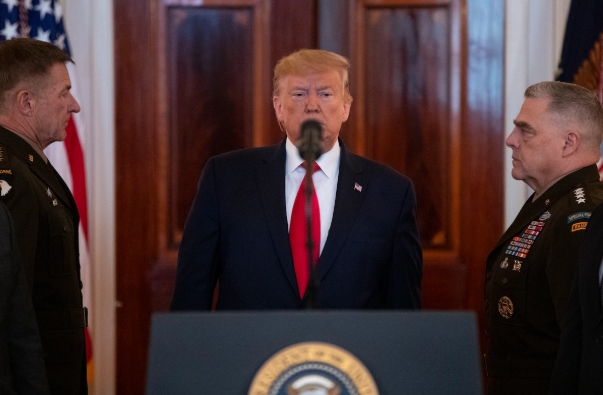
U.S. President Donald Trump said on Thursday that he believes the conflict involving Iran could end quickly, as Tehran reviews a new U.S.-backed peace proposal aimed at formally ending months of hostilities and reopening diplomatic negotiations.
The latest diplomatic push comes amid growing international pressure to prevent further escalation in the Middle East following weeks of military confrontation, disruption to global oil markets and mounting regional instability.
Trump Signals Optimism Over Deal
Speaking during his ongoing diplomatic engagements, Donald Trump expressed confidence that an agreement could soon be reached between Washington and Tehran.
According to reports, the proposal under review is a short memorandum intended to establish a framework for ending the war and launching broader negotiations over sanctions relief, maritime security in the Strait of Hormuz, and Iran’s nuclear activities.
Trump reportedly described recent negotiations as “productive,” while U.S. officials said discussions have intensified through both direct and indirect channels involving regional mediators.
Iran Remains Cautious
Iranian officials, however, appeared more reserved about the prospects of a breakthrough. Several lawmakers and political figures in Tehran reportedly criticized the proposal, describing parts of it as heavily tilted toward U.S. demands.
Key disagreements reportedly remain unresolved, particularly concerning Iran’s missile capabilities, uranium enrichment activities, and its influence over armed groups across the region. The status of the Strait of Hormuz a critical global oil shipping route also remains one of the central issues in negotiations.
Iran has repeatedly insisted that it will not abandon what it describes as its sovereign rights or national defense programs, even as economic pressure and military tensions continue to mount.
Markets React to Peace Hopes
Financial markets reacted positively to reports of possible diplomatic progress. Oil prices fell sharply earlier in the week on expectations that any agreement could ease tensions in the Gulf region and restore greater stability to global energy supplies.
Investors have closely monitored developments surrounding the Strait of Hormuz, through which a significant portion of the world’s oil and gas exports passes. The conflict has disrupted shipping routes and contributed to volatility in global energy markets for weeks.
International Pressure Builds
Regional and international actors continue to urge restraint as fears grow that a prolonged war could destabilize broader parts of the Middle East. Diplomatic mediation efforts involving Pakistan and other regional partners have reportedly played a key role in facilitating communication between Washington and Tehran.
Despite growing optimism from Washington, analysts caution that major obstacles remain before any formal ceasefire or lasting settlement can be achieved. Previous rounds of talks have stalled over verification measures, sanctions relief, and military guarantees.
Uncertain Path Ahead
While the latest proposal has raised hopes for de-escalation, officials on both sides acknowledge that negotiations remain fragile. Any final agreement would likely require additional rounds of talks and broader commitments addressing regional security concerns and Iran’s nuclear program.
For now, the international community is watching closely as Tehran evaluates the U.S. proposal and diplomatic efforts continue behind closed doors.
________________________________________________________________________________________________________________