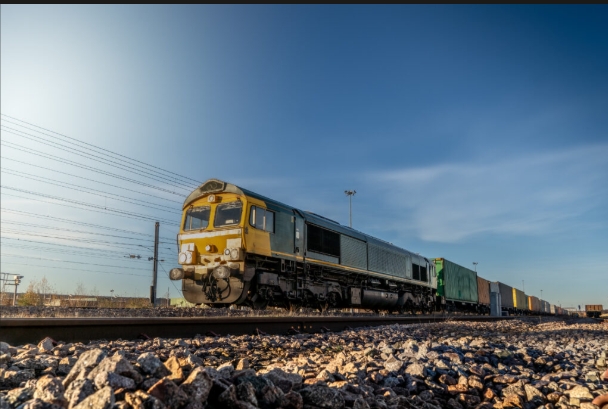
South Africa has officially allowed 11 private companies to operate trains on the country’s freight rail network, marking a historic shift in the nation’s transport sector and one of the most significant reforms of state-owned logistics giant Transnet in decades.
The move is aimed at revitalizing South Africa’s struggling freight rail system, improving logistics efficiency and reducing bottlenecks that have weighed heavily on economic growth, exports and industrial production.
The Transnet Rail Infrastructure Manager (TRIM) confirmed on Wednesday that Rail Access Agreements had been concluded with all 11 Train Operating Companies (TOCs), giving them access to operate on key freight corridors across the national rail network.
Historic Shift in South Africa’s Rail Industry
For decades, freight rail operations in South Africa were dominated exclusively by state-owned Transnet Freight Rail. The latest reform introduces private-sector participation into the rail network for the first time on a large scale, aligning South Africa more closely with international open-access rail systems.
The approved operators include ARC South Africa, Barberry, Grindrod, Interlinks, IRACEMA, Menar, Minrail, Motheo Logistics, Sharp Logistics, The Railway Corporation and TLD Marine.
The companies will operate across several strategic freight corridors involving coal, manganese, containers, fuel, mining products and general cargo.
According to TRIM, the agreements are expected to add roughly 24 million tonnes of freight capacity to the rail system over the coming years.
Government Seeks to Revive Economy Through Rail Reform
South Africa’s rail network has suffered years of decline due to infrastructure deterioration, cable theft, corruption, operational inefficiencies and underinvestment.
Freight volumes transported by Transnet reportedly fell from approximately 220 million tonnes annually in 2014 to around 149 million tonnes by 2024, creating severe disruptions for exporters, miners, manufacturers and ports.
Business groups and economists have repeatedly identified Transnet’s operational problems as one of the biggest constraints on South Africa’s economic growth.
The government hopes private participation will improve efficiency, attract investment, and increase competition while Transnet continues to retain ownership and management of the rail infrastructure itself.
Transnet CEO Michelle Phillips described the signing of the access agreements as a “significant milestone” in South Africa’s rail reform journey and evidence that the country is moving toward an open-access freight rail system.
Private Operators Expected to Boost Exports
The reforms are expected to particularly benefit South Africa’s mining and export sectors, which rely heavily on rail infrastructure to move commodities such as coal, iron ore, chrome, and manganese to ports.
Industry analysts believe improved freight rail performance could help reduce transport costs, ease pressure on road networks and improve export competitiveness.
Government projections suggest the introduction of private train operators could eventually help Transnet increase annual freight volumes toward a target of 250 million tonnes by 2029.
Some operators are expected to begin limited operations before the end of 2026, while most are anticipated to become fully operational during 2027.
Investors and Industry Welcome the Move
The reform has been broadly welcomed by investors, logistics companies, and mining firms, many of whom have long argued that opening the rail sector to competition is necessary to modernize South Africa’s logistics network.
Analysts say the move could unlock billions of rand in private investment into locomotives, wagons, maintenance facilities and rail technology.
The changes also reflect broader efforts by the South African government to restructure state-owned enterprises and encourage greater private-sector involvement in key infrastructure sectors.
Transnet, which carries one of the largest freight rail volumes in Africa, has faced mounting financial pressure in recent years, including heavy debt burdens and infrastructure maintenance backlogs.
Challenges Still Remain
Despite optimism surrounding the reforms, experts caution that major challenges remain, including aging rail infrastructure, vandalism, electricity disruptions, and security concerns along freight corridors.
There are also concerns about whether Transnet can maintain and upgrade rail infrastructure quickly enough to support increased traffic from private operators.
The success of the reform will largely depend on efficient coordination between Transnet and private companies, as well as continued government support for infrastructure modernization.
Still, many analysts see the introduction of private freight train operators as a turning point for South Africa’s transport sector and a potentially transformative development for the country’s broader economy.
________________________________________________________________________________________________________________