Moscow Tightens Security Around Strategic Energy Infrastructure
Russian lawmakers have approved new legislation permitting drones to be intercepted and destroyed near offshore oil and gas facilities in the Caspian Sea, as Moscow moves to strengthen protection of critical energy infrastructure amid rising regional security threats.
The law, signed this week by Russian President Vladimir Putin, grants expanded authority to security forces, military units, and authorized energy operators to neutralize unmanned aerial vehicles considered a threat to offshore energy installations.
Russian officials say the measures are necessary to prevent sabotage, terrorist attacks and foreign intelligence operations targeting strategically important energy assets.
Focus on Caspian Sea Oil and Gas Platforms
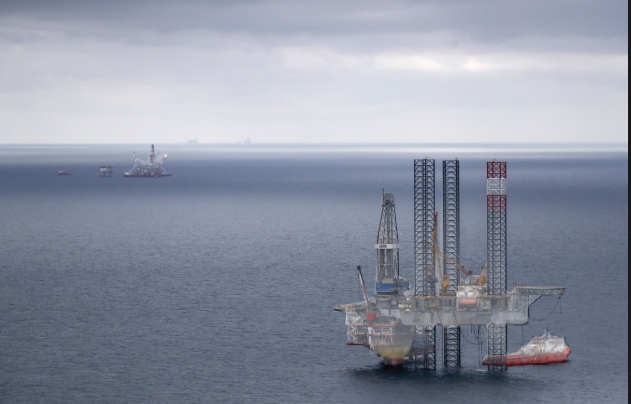
The legislation specifically covers offshore drilling platforms, oil terminals, gas infrastructure, and maritime energy facilities operating in the Caspian Sea, one of the world’s major energy-producing regions.
Russia operates several important offshore projects in the northern Caspian, including facilities linked to crude oil exports and natural gas production.
Authorities said drones entering restricted airspace near these installations can now be electronically disabled, forced to land, or destroyed outright if deemed dangerous.
The law also allows broader deployment of anti-drone defense systems around offshore energy infrastructure and maritime transport routes.
Rising Concerns Over Drone Attacks
The move follows increasing fears within Russia over the vulnerability of energy infrastructure to drone strikes.
Since the escalation of regional conflicts and the ongoing war in Ukraine, Russian oil refineries, pipelines, fuel depots and industrial sites have repeatedly been targeted by drones.
While most attacks have occurred inland, Russian security agencies have warned that offshore energy platforms could also become potential targets due to their economic and strategic significance.
Officials argue that even minor disruptions to offshore operations could impact export revenues, energy markets, and maritime security.
Energy Sector Seen as Critical to National Security
Russia’s economy remains heavily dependent on oil and gas exports, making energy infrastructure a top national security priority.
The Caspian Sea region plays an especially important role in crude oil transportation and regional energy trade involving Russia, Kazakhstan, Azerbaijan and other neighboring states.
Analysts say the new law reflects Moscow’s broader effort to militarize protection of economic infrastructure amid ongoing geopolitical tensions with Western countries.
Russian authorities have increasingly integrated military-style security measures into civilian infrastructure protection since the start of the Ukraine conflict.
Expanded Powers for Security Agencies
Under the legislation, multiple state agencies including the military, coast guard, national guard and security services are authorized to respond rapidly to suspected drone threats near offshore facilities.
Operators of strategic energy installations may also receive greater authority to coordinate directly with defense units and deploy anti-drone technologies.
The law reportedly includes provisions allowing the temporary restriction of nearby maritime and air traffic during security operations involving suspected drone activity.
Russian lawmakers argued the legislation was urgently needed because existing laws did not clearly define how authorities could respond to unmanned aerial threats over maritime infrastructure.
Regional and Global Implications
Security experts say the legislation could increase military activity in the Caspian region, where several countries maintain overlapping economic and strategic interests.
The Caspian Sea is bordered by Russia, Kazakhstan, Turkmenistan, Iran and Azerbaijan, all of which rely heavily on energy exports and maritime infrastructure.
Analysts warn that expanding drone defense operations in the area could raise tensions, particularly if unidentified drones are intercepted near disputed or sensitive zones.
At the same time, many countries around the world are strengthening protections around critical infrastructure as drone warfare becomes increasingly common in modern conflicts.
Global Energy Markets Watching Closely
Although the law is primarily focused on security, energy traders are monitoring developments closely due to concerns about potential disruptions to oil and gas production.
Russia remains one of the world’s largest energy exporters despite ongoing Western sanctions and trade restrictions linked to the Ukraine war.
Any major incident involving Caspian Sea infrastructure could affect regional export routes and contribute to volatility in global energy markets.
For now, Russian officials insist the new legislation is defensive in nature and intended solely to protect critical infrastructure from emerging security threats.
However, analysts say the move highlights growing concerns among major energy producers about the increasing role of drones in modern geopolitical conflicts.
________________________________________________________________________________________________________________