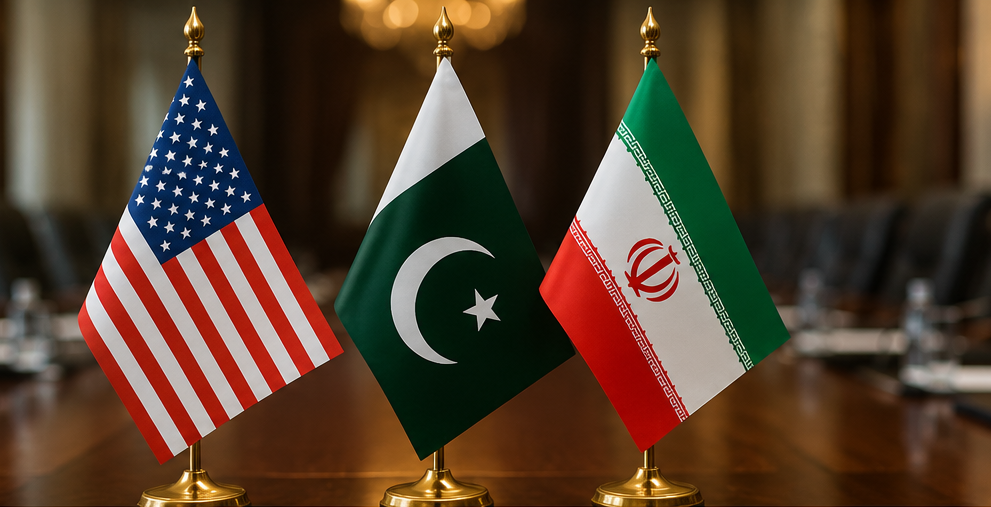
Fresh diplomatic efforts led by Pakistan are underway to secure a breakthrough in the increasingly fragile peace negotiations between the United States and Iran, as tensions surrounding Iran’s nuclear program and the strategic Strait of Hormuz continue to threaten global stability.
The latest round of mediation comes as Pakistani officials intensify shuttle diplomacy between Tehran and Washington in an attempt to transform a shaky ceasefire into a broader political settlement. Pakistani Interior Minister Syed Mohsin Naqvi met Iranian Foreign Minister Abbas Araqchi in Tehran on Friday, according to Iranian state-linked media reports.
Pakistan Emerges as Key Mediator
Pakistan has increasingly positioned itself as a central diplomatic broker in the ongoing crisis between Iran and the United States. Islamabad has hosted earlier rounds of negotiations and has maintained communication channels with both governments during months of regional instability.
Officials familiar with the talks say Pakistan is attempting to craft a framework that could address several major sticking points, including Iran’s enriched uranium stockpile, sanctions relief, and navigation through the Strait of Hormuz.
The diplomatic initiative follows previous negotiations held in Islamabad earlier this year, where U.S. and Iranian delegations engaged in rare direct discussions aimed at preventing a wider regional war. Those talks failed to produce a final agreement but helped establish temporary ceasefire arrangements.
Pakistani Prime Minister Shehbaz Sharif has repeatedly called for “dialogue and diplomacy” to resolve the conflict and avoid further destabilization in the Middle East.
Strait of Hormuz Remains Major Obstacle
One of the biggest obstacles in the negotiations remains control over the Strait of Hormuz, a crucial maritime corridor through which nearly a fifth of global oil and liquefied natural gas shipments normally pass.
Iran effectively restricted much of the shipping activity through the strait after the conflict escalated earlier this year, triggering energy market volatility and renewed fears of supply disruptions.
Tehran has reportedly proposed the creation of a new regional authority to manage traffic in the waterway and collect transit fees, a proposal strongly opposed by Washington and Gulf Arab states. U.S. Secretary of State Marco Rubio warned there could be no lasting agreement if Iran insists on imposing tolls on international shipping routes.
Rubio acknowledged that negotiations have shown “some good signs,” though he cautioned that significant differences remain unresolved.
Nuclear Dispute Continues
Another critical issue is Iran’s enriched uranium stockpile. Washington has continued demanding tighter controls over Iran’s nuclear activities, while Tehran insists it has the sovereign right to maintain domestic uranium processing.
U.S. President Donald Trump recently vowed that the United States would eventually recover or neutralize Iran’s uranium reserves, further complicating negotiations.
Iranian officials, however, have rejected proposals to send uranium abroad and continue to resist Western demands viewed in Tehran as undermining national sovereignty.
Despite the disagreements, Iranian media reports suggest that Tehran is currently reviewing the latest American proposal and believes it has “narrowed gaps to some extent.”
Global Energy Markets Watching Closely
The ongoing tensions have already had major economic consequences. Oil markets remain volatile amid uncertainty over whether negotiations will succeed or collapse into renewed conflict.
Analysts warn that prolonged disruption in the Strait of Hormuz could deepen global energy shortages and place additional pressure on fuel prices worldwide. The International Energy Agency has also warned of possible supply strains heading into the summer demand season.
Gulf nations including Saudi Arabia, United Arab Emirates, Qatar, and Kuwait have expressed concern over the possibility of Iran gaining expanded control over maritime transit routes in the Gulf.
Uncertain Path Ahead
While diplomats continue to express cautious optimism, observers say the coming days could determine whether the negotiations move toward a lasting settlement or slide back into confrontation.
Pakistan’s role as a mediator has drawn international attention, with Islamabad increasingly viewed as one of the few regional actors capable of maintaining communication with all sides involved in the crisis.
Still, unresolved disputes over sanctions, nuclear oversight, and maritime security continue to cast uncertainty over the talks, leaving the future of the negotiations and regional stability hanging in the balance.
________________________________________________________________________________________________________________