White House Rejects Reports of Hormuz Agreement
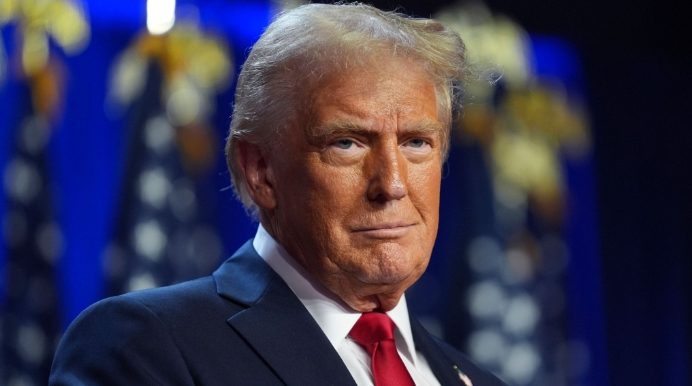
U.S. President Donald Trump has denied reports suggesting that Washington was close to reaching an agreement with Iran over the reopening and management of the strategically vital Strait of Hormuz, as tensions between the two countries continue to intensify.
The denial came after Iranian state-linked media reports claimed that a draft framework had been discussed involving Iran, Oman, and the United States to restore commercial shipping through the waterway. The reports suggested the proposal included joint oversight of the Strait of Hormuz and a possible easing of restrictions affecting maritime traffic in the region.
However, the White House quickly dismissed the claims, calling the reported framework “fabricated” and insisting that no such agreement had been finalized. Trump also rejected suggestions that the United States was prepared to reduce pressure on Tehran or alter its military posture in the Gulf.
Trump Insists US Will Protect Shipping Routes
Speaking during a cabinet meeting, Trump said the United States would not allow any country to control the Strait of Hormuz, describing the waterway as an international route critical to global trade and energy security.
He stressed that Washington would continue protecting shipping lanes while negotiations remain unresolved, adding that freedom of navigation in the Gulf remains a top priority for the United States and its allies.
Strait of Hormuz Remains Critical to Global Oil Supply
The Strait of Hormuz remains one of the world’s most important maritime chokepoints, carrying roughly one-fifth of global oil supplies. Disruptions in the area have already caused volatility in international energy markets and reduced tanker traffic through the region.
Energy analysts say continued uncertainty surrounding the route could affect global fuel prices, shipping insurance costs, and international supply chains if tensions continue to rise.
New US Military Strikes Increase Regional Tensions
The latest dispute comes amid renewed military escalation between the United States and Iran. According to U.S. officials, American forces recently carried out strikes targeting Iranian drone operations and military sites near Bandar Abbas, claiming the actions were defensive measures intended to protect U.S. forces and commercial shipping.
Iran responded by accusing Washington of violating ongoing ceasefire understandings and escalating instability in the Gulf region. Iranian military officials have repeatedly warned foreign naval forces against operating near the Strait without coordination from Tehran.
Diplomatic Efforts Continue Despite Rising Pressure
Despite speculation that diplomatic talks were progressing, Trump signaled there was “no rush” to secure a deal with Tehran and maintained that sanctions and pressure on Iran would remain in place unless broader demands were met, including restrictions tied to Iran’s nuclear activities and regional security concerns.
The White House has not ruled out future negotiations with Iran, but officials say any agreement would need to address broader security issues beyond reopening the Strait.
Allies Urge De-escalation in the Gulf
The ongoing crisis has also exposed divisions among U.S. allies. Several European countries and regional partners have expressed reluctance to become directly involved in military operations connected to the Strait of Hormuz, instead calling for diplomatic de-escalation and international cooperation to keep shipping routes open.
Governments across Europe and Asia continue to monitor the situation closely due to concerns over global energy security and the potential economic impact of further conflict in the region.
Markets Remain Cautious Amid Uncertainty
While some optimism over a potential agreement briefly eased market concerns earlier this week, continued military exchanges and conflicting political statements have kept investors cautious.
Oil traders and shipping companies are closely watching developments in the Gulf, with fears that any major disruption in the Strait of Hormuz could rapidly affect global crude exports and financial markets.
For now, both diplomatic efforts and military activity in the Gulf appear set to continue simultaneously, leaving the region on edge as the world watches for the next development in the crisis.
________________________________________________________________________________________________________________