Iranian Broadcaster Makes Threatening Remarks as Viewers Reportedly Offer Reward for Trump’s Killer
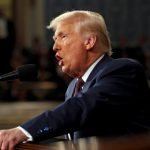
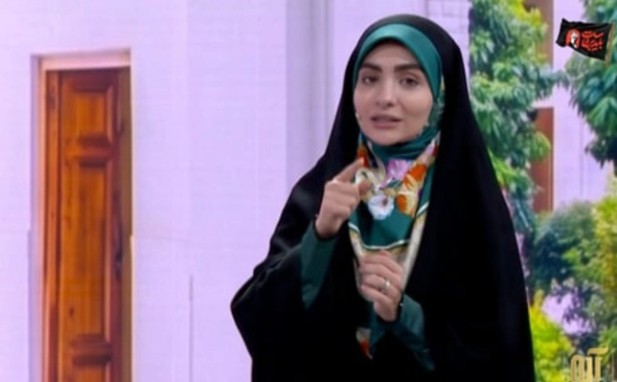
An Iranian television host has made a highly inflammatory statement about U.S. President Donald Trump, saying she hopes that Iranian television will soon be able to announce his death.
Maryam Ghasemi, an Iranian TV host, reportedly made the remarks during a broadcast amid heightened tensions between Iran and the United States.
Reports also claim that viewers responding to the programme pledged approximately 81 million Iranian tomans around $435 as a reward for Trump’s killer.
But one thing remains clear: Donald Trump is not going to be intimidated by threats like these.
The president continues to carry out his duties while U.S. security agencies remain responsible for protecting him and his family. Threats, propaganda and violent rhetoric do not determine the future of the United States or the presidency.
The remarks also follow other reported threats against members of the Trump family, including recent claims broadcast on Iranian state-linked media concerning Barron Trump, the president’s 20-year-old son.
U.S. authorities continue to monitor threats against the president and his family, while tensions between the two countries remain high.
The latest comments underscore the increasingly aggressive rhetoric surrounding the U.S.-Iran confrontation and the potential risks created when political hostility escalates into explicit threats of violence.
The bigger issue is what such remarks say about the environment in which they are being broadcast.
There is nothing unusual about Iran strongly criticising Donald Trump or opposing American policy. Nations routinely condemn one another’s leaders and decisions. But openly discussing the death of a sitting president on national television crosses a serious line.
And when such language appears on television, it raises an uncomfortable question: What does it say about a country when calls for the death of another nation’s elected leader can be broadcast to the public?
A national broadcaster carries particular responsibility. Television reaches millions of people and can shape public attitudes, especially when programming is associated with or operates within a state-controlled media environment. When violent rhetoric against a foreign head of state is allowed onto the airwaves, it raises questions about the message being communicated to both domestic and international audiences.
Iran has the right to defend its interests, reject U.S. policies and strongly oppose President Trump. But political opposition does not require threats of murder on national TV.
At a time when tensions between Washington and Tehran are already extremely high, responsible leadership should be working to reduce the temperature rather than encourage language that could contribute to further escalation.
Trump’s opponents may disagree with him. His policies may be fiercely criticised. But the peaceful transfer of political power and the rule of law remain fundamentally different from political violence.
The reported comments therefore deserve condemnation not because Trump is beyond criticism.
It is a deeply troubling escalation in rhetoric and one that deserves condemnation rather than normalisation.