President Abelardo de la Espriella Faces Backlash Over Sweeping Deportation Plans
Colombian President Abelardo de la Espriella is facing growing criticism after ordering a nationwide crackdown targeting foreign nationals living in the country without legal immigration status.
Less than a month into his presidency, De la Espriella instructed the National Police and migration authorities to begin joint enforcement operations aimed at identifying undocumented migrants and carrying out deportations.
[B-ROLL] Images of migration officials and police carrying out enforcement operations are expected to draw renewed attention to Colombia’s increasingly contentious immigration debate.
The government says stronger enforcement is necessary to ensure that Colombia’s immigration laws are respected and that authorities have greater control over who enters and remains in the country.
The policy has nevertheless generated strong opposition.
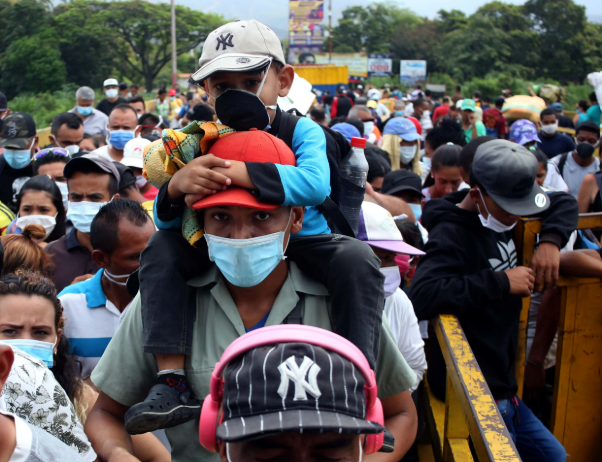
Opposition politicians, human-rights advocates and migrant-rights organisations have condemned the measures, describing the crackdown as excessive and warning that deportation operations could have serious consequences for vulnerable migrant communities.
Immigration Becomes Early Test for New Government
The announcement comes less than a month after De la Espriella assumed the presidency, making immigration one of the first major policy battles of his administration.
Supporters of the crackdown argue that a government has the right and responsibility to enforce its borders and immigration laws. They say undocumented migration can place additional pressure on public services, housing, employment and security systems and that immigration rules cannot function if violations are routinely ignored.
Critics, however, argue that enforcement must respect due process and the dignity and rights of migrants, particularly families, children and people fleeing difficult circumstances.
The disagreement highlights the wider international debate over how governments should balance border control, national sovereignty, humanitarian concerns and the rights of migrants.
A Tougher Approach to Border Control
De la Espriella’s government is signalling a substantially tougher approach to undocumented migration, with police and migration officials being directed to work together in identifying people without legal status.
The administration’s challenge will be to demonstrate that the policy can be enforced effectively while ensuring that individuals are treated lawfully throughout the process.
For Colombia, the immigration crackdown is likely to remain a major political issue as the new government establishes its priorities.
The debate is not simply about deportations. It is also about who has the authority to enter a country, how immigration laws are enforced and what responsibilities governments have toward those who cross their borders illegally.
As enforcement operations expand nationwide, Colombia will face growing scrutiny over whether its new immigration strategy can strengthen border control while protecting due process and basic human dignity.