U.S. Secretary of State says the Western Hemisphere is a “real priority” as Washington expands security, anti-narcotics and economic partnerships across Latin America
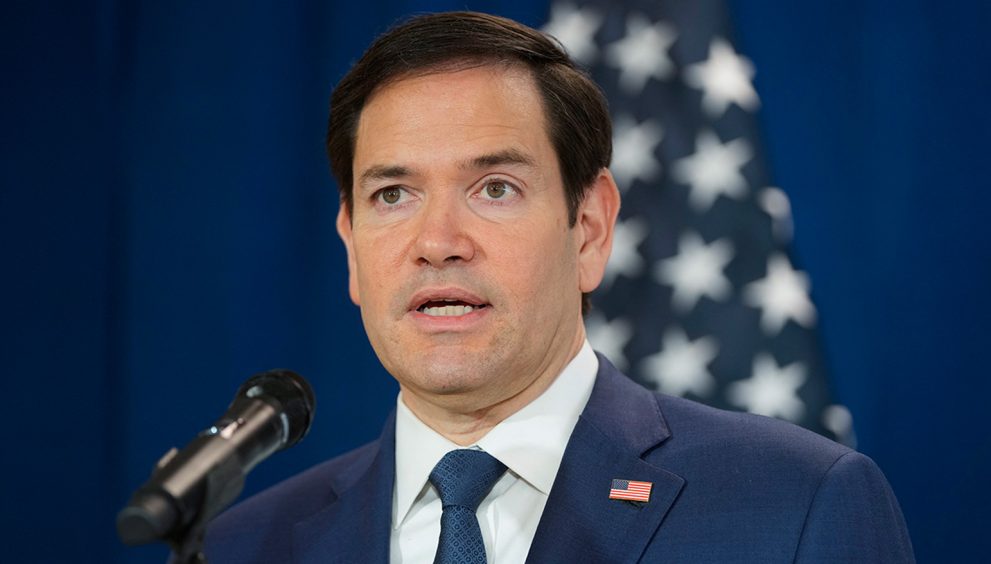
U.S. Secretary of State Marco Rubio has reaffirmed the Trump administration’s commitment to strengthening security across the Western Hemisphere, describing the region as a fundamental priority for U.S. national security, economic prosperity and stability.
Rubio made the remarks during a three-nation Latin American tour that took him to Colombia, Ecuador and Peru, where Washington sought to deepen cooperation on combating drug trafficking, transnational criminal organisations, migration, trade and regional security.
Speaking during his trip, Rubio said the administration’s National Security Strategy places renewed emphasis on strengthening the U.S. presence in the Western Hemisphere. He stressed that developments in the region directly affect the United States and that Washington’s engagement was driven by its own security and economic interests.
Security at the Centre of U.S. Strategy
Rubio’s visit comes as the Trump administration intensifies its campaign against drug trafficking and organised crime in Latin America.
In Colombia, Rubio pledged to rebuild and expand the longstanding security relationship between Washington and Bogotá. Colombian President Abelardo de la Espriella said his government wants closer U.S. cooperation on intelligence, drones, radar systems and other equipment to combat drug trafficking and organised crime.
Colombia has also joined the U.S.-backed regional coalition known as the Shield of the Americas, aimed at strengthening cooperation against criminal and narcotics networks.
In Ecuador, Rubio praised President Daniel Noboa’s government as an important security partner, while discussions focused on counter-narcotics operations and combating transnational criminal groups.
Peru Joins Regional Security Push
The tour concluded in Peru, where President Keiko Fujimori announced that the country had joined the Shield of the Americas coalition.
Rubio stressed that Washington prefers coordinated action with regional partners rather than unilateral military intervention. He said cooperation with allies is the most effective way to confront drug-trafficking organisations, even as the United States maintains the capability to act independently.
The developments underscore Washington’s effort to build a network of governments willing to cooperate more closely with the United States on security and organised crime.
Trade and Economic Cooperation
Security was not the only focus of Rubio’s regional diplomacy. The secretary also pushed for stronger commercial ties between the United States and Latin America.
Before departing for the region, Rubio said Washington hoped to conclude trade agreements with Colombia, Ecuador and Peru in the foreseeable future, describing economic engagement as a key component of the broader U.S. strategy.
The administration is also seeking to increase American economic influence in a region where China has significantly expanded its trade, infrastructure investment and strategic presence.
A New U.S. Approach to the Hemisphere
Rubio’s latest comments signal a more assertive U.S. approach to Latin America under President Donald Trump, with security, migration control, anti-narcotics operations, trade and strategic competition increasingly intertwined.
“The Western Hemisphere is a priority for this administration,” Rubio said in Peru, arguing that events in the region have direct consequences for U.S. security, prosperity and wellbeing.
The administration’s strategy is likely to bring closer cooperation with governments that share Washington’s security priorities, while potentially increasing tensions with countries that oppose greater U.S. involvement in regional affairs.
For Washington, however, Rubio’s message is clear: the United States intends to remain deeply engaged in the Western Hemisphere and to make regional security a central pillar of its foreign-policy agenda.
________________________________________________________________________________________________________________