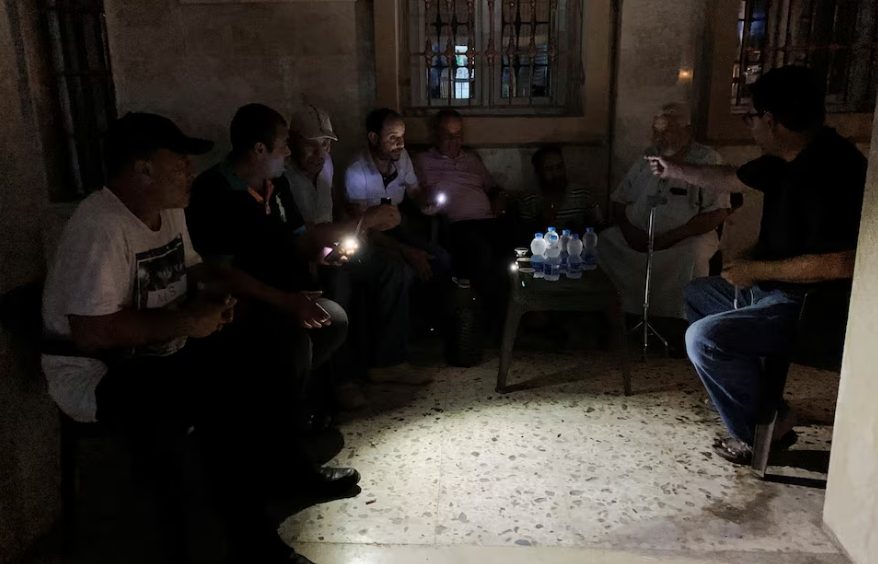
Libya is facing a deepening electricity and fuel crisis that is placing growing pressure on small businesses and households, with prolonged power cuts, soaring generator costs and fuel shortages disrupting daily life across the country.
The crisis has been particularly damaging during the summer heat, when increased demand for air conditioning has placed additional strain on an already ageing electricity network. In parts of Tripoli, outages have reportedly lasted as long as 36 hours, forcing businesses to depend on diesel-powered generators to keep operating.
Businesses Count the Cost
Restaurant owner Naseem Al-Akkari told news outlet that repeated outages had caused an estimated $40,000 in losses over several months. His businesses have been forced to rely on expensive black-market diesel to prevent food and other goods from spoiling.
In Benghazi, pastry shop manager Sufian Boushaala said electricity shortages had forced the family-owned business to lay off workers and occasionally close for entire days.
The crisis is also affecting water supplies. A blackout disrupted pumping from Libya’s Great Man-Made River Project, which supplies groundwater from the Sahara to population centres.
Fuel Shortages Deepen the Crisis
Despite Libya’s vast oil reserves, the country remains heavily dependent on imported refined petroleum products. Fuel smuggling, ageing infrastructure, reduced natural gas production and disruptions to imports have contributed to shortages.
Black-market diesel prices have reportedly reached 11 Libyan dinars per litre, compared with a subsidised price of just 0.15 dinars. Petrol queues in parts of the country have stretched for kilometres, adding to public frustration.
The country’s energy problems have also been compounded by damage to infrastructure from years of conflict. Several fuel storage tanks in Tripoli destroyed during the 2014 civil war remain unrepaired, while domestic refinery output is significantly below theoretical capacity.
Oil-Rich Nation Faces Energy Paradox
The shortages highlight the challenges facing Libya’s fragmented energy sector, despite the country’s position as a major oil producer. Libya’s National Oil Corporation said this week that crude production remains around 1.4 million barrels per day, although protests have disrupted operations at several oil fields.
Authorities have introduced measures including mobile refuelling stations, but long queues and shortages persist.
For Libyan households and small businesses, the continuing electricity and fuel crisis is becoming a major economic burden, while efforts to restore reliable energy supplies remain complicated by infrastructure problems, fuel diversion and political fragmentation.
________________________________________________________________________________________________________________