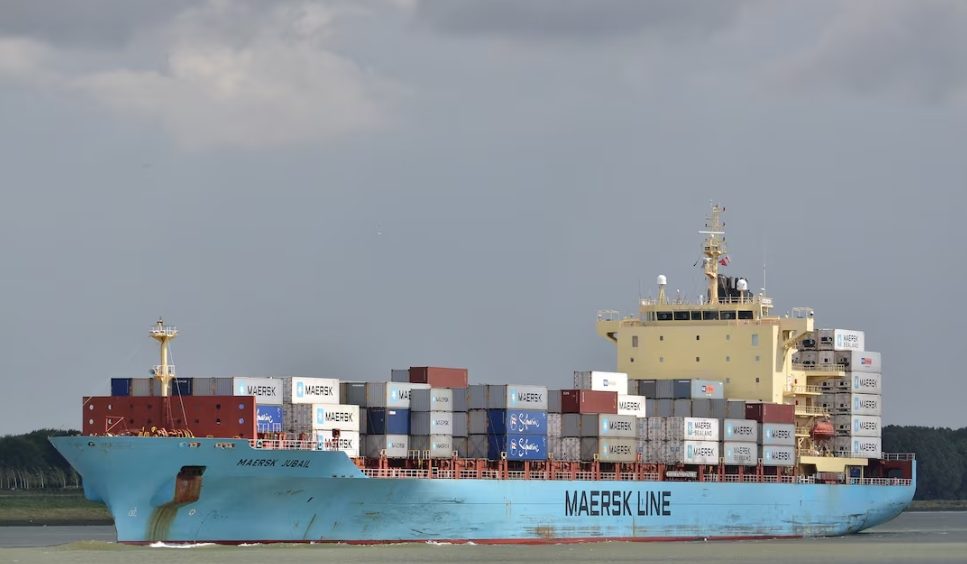
Two ships have sunk near the strategically important Strait of Hormuz after being struck by projectiles, according to a Reuters report published on October 14, 2026. The incidents come amid a surge in attacks on commercial shipping, raising fresh concerns about maritime security and the safety of vessels navigating one of the world’s most critical energy corridors.
The reported sinkings underscore the growing risks facing commercial shipping in and around the Gulf, where heightened regional tensions have placed vessels, crews and international trade routes under increasing pressure.
The Strait of Hormuz connects the Persian Gulf with the Gulf of Oman and the wider Arabian Sea. It is a vital passage for global energy supplies, with large volumes of crude oil, petroleum products and liquefied natural gas moving through the narrow waterway to international markets.
Growing Threat to Commercial Shipping
Projectile strikes against merchant vessels present serious dangers to crews and can cause extensive damage, fires, flooding and the loss of ships. The latest incidents are likely to intensify concerns among shipping companies, insurers and maritime authorities about the risks of operating in the region.
The sinking of two vessels also raises urgent questions about crew safety, emergency response operations and the potential environmental consequences of ships going down in busy maritime waters. The extent of any oil or fuel leakage, as well as the number of casualties or missing crew members, requires confirmation from relevant authorities.
As attacks increase, shipping operators may consider changing routes, delaying voyages or introducing additional security precautions. Such measures can increase operating costs, lengthen delivery times and place further pressure on already vulnerable supply chains.
Implications for Global Energy Markets
The Strait of Hormuz is particularly sensitive because of its importance to international oil and gas transportation. Any sustained disruption to shipping through the passage could affect energy prices, freight costs and the availability of supplies in importing countries.
Markets are especially vulnerable when security incidents threaten the uninterrupted movement of energy shipments. Even when the waterway remains open, higher insurance premiums and the possibility of further attacks can increase the cost of transporting oil and other goods.
For energy-importing economies, prolonged instability could translate into higher fuel and transportation costs, with potential consequences for inflation and broader economic activity.
International Security Concerns
The latest sinkings highlight the challenge facing governments and maritime security organisations seeking to protect commercial vessels while preventing further escalation in the region.
Maritime authorities will need to establish the circumstances surrounding the projectile strikes, identify any responsible parties where evidence permits and determine whether additional protective measures are necessary.
For now, the incidents serve as a stark reminder that escalating maritime attacks can have consequences far beyond the immediate area, threatening seafarers’ lives, international commerce and the stability of global energy supply chains.
________________________________________________________________________________________________________________