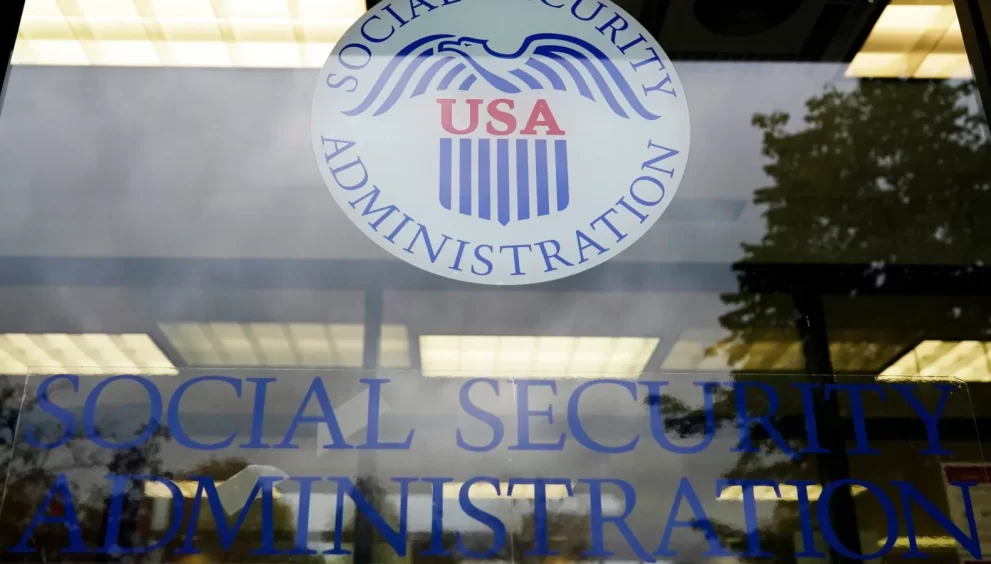
The U.S. Supreme Court has allowed the Department of Government Efficiency (DOGE) continued access to sensitive Social Security Administration (SSA) data, pausing a lower court ruling that had largely restricted such access during ongoing litigation.
In a brief order issued on Friday, the justices granted a request from the Justice Department to block an earlier decision by a Maryland district court that had found broad data access by DOGE could potentially violate federal privacy laws. The Supreme Court’s decision did not include an explanation for its ruling. The Court’s three liberal justices dissented.
Justice Ketanji Brown Jackson, joined by Justice Sonia Sotomayor, criticized the majority’s decision, arguing that the administration had not adequately demonstrated a need for such extensive access or a willingness to comply with established privacy protections.
In a separate action, the Supreme Court also extended a block on lower court orders that would have required DOGE to disclose records to a watchdog group investigating the entity’s activities.
DOGE was established as part of a broader initiative under President Donald Trump and entrepreneur Elon Musk aimed at shrinking the federal government and eliminating what they viewed as inefficiencies. Though Musk ended his involvement in public sector efforts in late May, the department continues to operate.
Multiple plaintiffs, including two labor unions and an advocacy organization, filed suit to prevent DOGE from accessing data such as Social Security numbers, tax and earnings information, banking details, and immigration records. These records are held by the SSA, which administers benefits to over 70 million people, including retirees and individuals with disabilities.
A legal group representing the plaintiffs expressed concern over the ruling, stating that it could put millions of Americans’ private data at risk. The group pledged to continue challenging the department’s data access through the courts.
The plaintiffs also argued that DOGE staff had been installed without proper vetting or training, and had sought expansive access to the SSA’s most sensitive systems. In April, U.S. District Judge Ellen Hollander issued an injunction prohibiting DOGE personnel from accessing data containing personal identifiers, except under strict conditions including training and background checks. She also ordered the deletion of any sensitive information already obtained.
The 4th U.S. Circuit Court of Appeals later declined to suspend Hollander’s ruling in a 9-6 vote. In their appeal to the Supreme Court, Justice Department lawyers argued that the lower court’s decision unlawfully prevented federal employees from carrying out their duties to modernize government systems.
In a concurring opinion from the appellate court, several judges noted that the SSA case involved especially high stakes, given the deeply personal nature of the information at risk — including family court documents, children’s school records, mental health histories, and financial details.