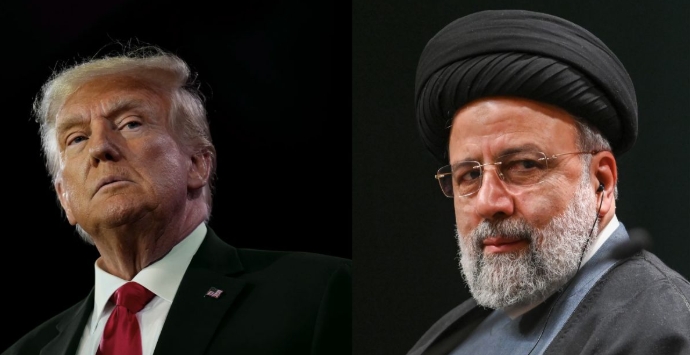
In GENEVA the United States and Iran could reach at least a framework agreement in their ongoing indirect nuclear negotiations if Washington treats strictly nuclear issues as distinct from broader geopolitical questions, a senior Iranian official told Reuters on Thursday.
The comments come as the two sides engage in a third round of indirect talks in Geneva, mediated by Oman, aimed at diffusing tensions over Tehran’s nuclear programme and averting the risk of further military escalation in the Middle East.
Intense Talks, Remaining Gaps
According to Iranian sources privy to the negotiations, discussions in Geneva have been “intense and serious,” but key differences persist. The senior Iranian official, speaking on condition of anonymity, said that narrowing these gaps will require separating purely nuclear matters such as uranium enrichment limits from unrelated issues like Iran’s ballistic missile programme and regional security concerns.
Iran’s foreign ministry spokesman also emphasized that Tehran’s right to pursue nuclear energy for peaceful purposes should be recognized within any deal and that sanctions relief must be part of the final agreement.
U.S. and Iranian Positions Still Diverge
While Iran appears willing to discuss limits on its nuclear activities, including ideas such as sending enriched uranium abroad or participating in a regional enrichment consortium, Washington has signalled firm demands of its own. U.S. negotiators are reported to be pressing Iran to dismantle key nuclear facilities and transfer its enriched uranium stockpile, a position Tehran has not accepted.
On the U.S. side, Secretary of State Marco Rubio has called Iran’s refusal to broaden talks to include its ballistic missile programme a major sticking point, arguing that unresolved issues beyond the nuclear file pose a threat to regional stability.
Diplomacy vs. Military Tension
Diplomatic efforts are unfolding against a backdrop of heightened military tension. The U.S. has deployed additional naval and air assets to the Middle East, and President Donald Trump has warned that force remains an option if diplomacy fails. Iranian state media have countered that any attack will be met with retaliation, further raising the stakes.
Despite the rhetoric, both sides have shown at least a cautious willingness to continue talks. U.S. special envoy Steve Witkoff and former Trump adviser Jared Kushner are representing Washington, while Iran’s delegation is led by Foreign Minister Abbas Araghchi.
What Separating Issues Could Mean
Iran’s suggestion to distinguish nuclear from non-nuclear matters reflects a long-standing line in Tehran’s diplomatic approach: it wants to keep negotiations tightly focused on curbing the nuclear programme, not broader matters like its regional activities or missile capabilities, which it views as separate political issues. Analysts say this stance aims to reduce the complexity of negotiations and avoid linking concessions on one front to demands on another.
Under such a model, a deal might first secure limits on nuclear activities and a rollback of sanctions, with other disputes addressed in later dialogues or through separate diplomatic channels.
International Watchers Urge Progress
International voices have also weighed in. The head of the United Nations’ nuclear watchdog has urged urgent progress on a nuclear deal, warning that the longer negotiations stall the greater the risk of proliferation and conflict.
Looking Forward
Whether a breakthrough reaches fruition remains uncertain. Talks are ongoing, with both sides expected to return to the table in Geneva in the coming days. A potential agreement even a narrow one focused solely on nuclear issues could represent a significant step forward after years of stalled diplomacy, though sceptics warn that without clear resolutions on wider security concerns, any accord could prove fragile.
________________________________________________________________________________________________________________