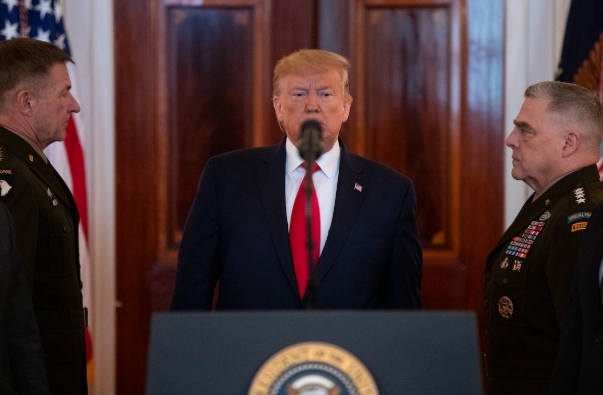
U.S. President Donald Trump has expressed dissatisfaction with a new negotiation proposal from Tehran, raising fresh doubts about prospects for ending the ongoing conflict between the United States and Iran.
According to U.S. officials, the latest Iranian offer seeks to prioritize ending hostilities and reopening key shipping routes particularly the strategic Strait of Hormuz, while postponing discussions on its nuclear programme. However, the Trump administration has rejected this sequencing, insisting that nuclear issues must be addressed as a central condition of any agreement.
Key Sticking Point: Nuclear Programme
At the heart of the disagreement is Iran’s refusal to immediately negotiate limits on its nuclear activities. Washington has maintained a hardline stance, demanding that Tehran halt uranium enrichment and abandon any pathway to nuclear weapons before broader concessions are made.
President Trump and his national security team remain skeptical of Iran’s intentions, viewing the proposal as an attempt to delay critical negotiations while easing economic and military pressure.
Iran, on the other hand, has argued that talks on its nuclear programme can only take place after a ceasefire is secured and sanctions or blockades are lifted conditions the U.S. has so far rejected.
Collapsed Talks and Rising Tensions
The diplomatic impasse follows the collapse of indirect talks in Islamabad, where Iranian representatives presented a framework for ending the conflict. President Trump subsequently canceled a planned envoy visit, stating that Tehran’s proposal was not satisfactory.
Iranian Foreign Minister Abbas Araqchi has since engaged in shuttle diplomacy across countries including Russia and Pakistan, signaling Tehran’s willingness to continue discussions but under different terms.
Global Impact of the Standoff
The ongoing conflict now in its second month has already had significant global consequences. Disruptions in oil shipments through the Strait of Hormuz have driven up energy prices and contributed to inflationary pressures worldwide.
The U.S. naval blockade on Iranian exports has further strained global supply chains, while Iran has sought alternative trade routes to bypass restrictions. Meanwhile, analysts warn that prolonged deadlock could deepen economic instability and heighten the risk of further military escalation.
International Reactions
Global leaders are increasingly voicing concern over the stalled negotiations. Some European officials have criticized the lack of progress, warning that both sides risk prolonging a costly and destabilizing conflict.
Analysts suggest that Iran’s strategy may be to secure immediate economic relief before making long-term concessions, while the Trump administration is focused on achieving a comprehensive deal that addresses nuclear and regional security concerns simultaneously.
Uncertain Path Forward
Despite the current deadlock, officials on both sides have not ruled out further negotiations. The White House is expected to review its options, including the possibility of issuing a counterproposal or escalating pressure if diplomatic efforts fail.
For now, however, the gap between Washington and Tehran remains wide, with both sides holding firm to their core demands leaving the future of peace talks uncertain.
________________________________________________________________________________________________________________