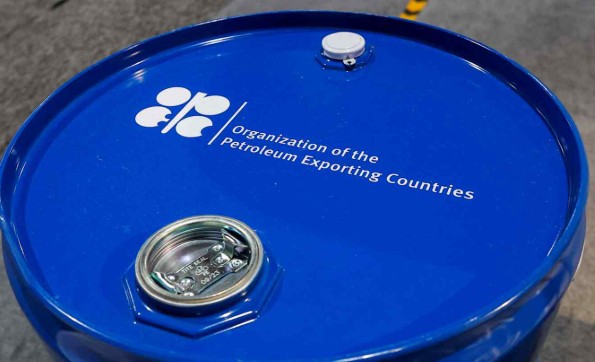
The United Arab Emirates has announced it is leaving the Organization of the Petroleum Exporting Countries (OPEC), marking a significant shift in global energy politics amid the ongoing Iran-related crisis.
Exit Amid Energy Crisis
The decision comes as the war involving Iran continues to disrupt oil flows particularly through the Strait of Hormuz, one of the world’s most critical energy chokepoints.
The UAE said the move reflects its strategic energy priorities and national interests, as it seeks greater flexibility in production and long-term planning.
Blow to OPEC Unity
Analysts describe the exit as a major blow to OPEC, which has historically relied on unity among oil producing nations to influence global prices.
- The UAE has been a longstanding member since 1967
- Its departure weakens coordination within the group
- It also challenges the influence of Saudi Arabia, OPEC’s de facto leader
Experts warn the move could lead to less discipline on production quotas and greater volatility in oil markets.
Strategic and Political Motives
Reports suggest multiple factors behind the decision:
- Frustration over regional security responses during the Iran conflict
- Desire to increase oil output beyond OPEC limits
- Broader ambition to act more independently in global energy markets
The UAE is aiming to expand production capacity significantly in the coming years, potentially reshaping supply dynamics.
Global Impact
While short-term price effects may be limited due to ongoing supply disruptions, the long-term implications could be significant:
- Weakening of OPEC’s ability to control oil prices
- Increased competition among oil producers
- Greater uncertainty in global energy markets
Some analysts say the move could ultimately benefit consumers through increased supply, but at the cost of reduced market stability.