Covert Oil Shipments Resume Amid Strait of Hormuz Tensions
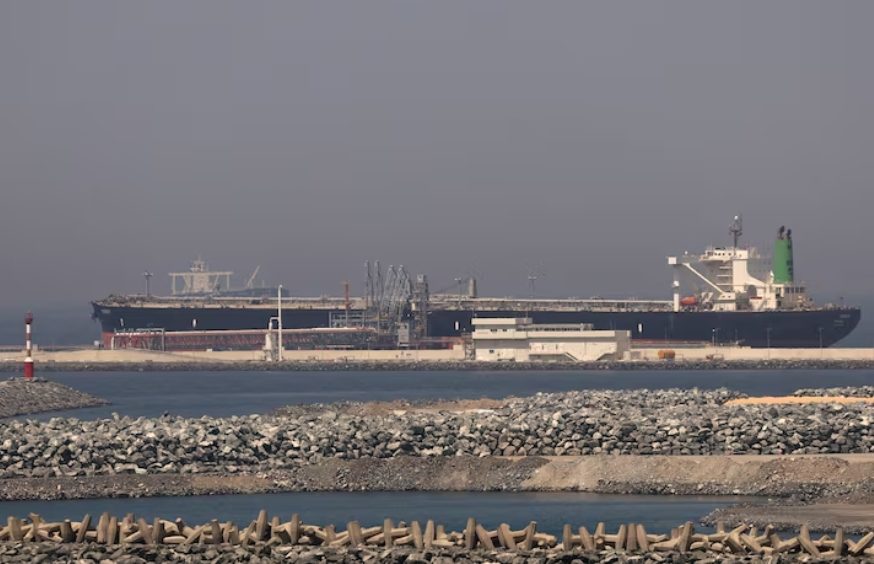
The United Arab Emirates has quietly resumed limited crude exports through the Strait of Hormuz, using covert shipping tactics to move oil through one of the world’s most sensitive maritime chokepoints as conflict-related disruptions continue to roil global energy markets. According to shipping data and satellite analysis, at least four tankers linked to the UAE moved crude through the strait in April, with vessels reportedly disabling tracking systems to reduce the risk of detection and potential attack.
The shipments come as the wider Middle East conflict continues to disrupt normal marine traffic through the strait, a route that typically carries roughly a fifth of global oil consumption.
Tankers Used Hidden Routes and Ship-to-Ship Transfers
The covert operation was reportedly organized by the Abu Dhabi National Oil Company (ADNOC), which used a mix of indirect routing, dark transits, and ship-to-ship transfers after tankers exited the Gulf.
Reuters reported that the shipments involved grades including Upper Zakum and Das crude, with at least 6 million barrels exported in April. Some cargoes were transferred off Oman before continuing toward buyers in Southeast Asia and South Korea. These methods helped obscure the origin and path of shipments while reducing exposure to the most dangerous parts of the route.
Hormuz Crisis Pushes Oil Above $100
The renewed shipments come against the backdrop of a broader Strait of Hormuz crisis that has sharply reduced regional exports and increased volatility in global oil prices.
Since the conflict escalated earlier this year, insurance costs for Gulf shipping have surged, vessel traffic has thinned, and oil prices have climbed above $100 per barrel at points as traders priced in supply risk. Market analysts say the UAE’s decision to resume even limited tanker movements reflects growing pressure to monetize crude while prices remain elevated.
UAE Export Volumes Still Well Below Normal
Despite the covert shipments, UAE export volumes remain significantly below pre-conflict levels.
Reuters reported that the UAE has reduced crude shipments by more than 1 million barrels per day compared with levels before the latest regional escalation. Instead of large and predictable flows, the strategy now appears to rely on smaller, less visible cargoes moving in scattered deliveries.
This reflects both the security risks in the waterway and the commercial urgency facing Gulf producers trying to maintain customer relationships in Asia.
Growing Security Risks for Gulf Energy Shipping
The covert shipments also underscore how exposed Gulf energy infrastructure remains.
Recent weeks have seen attacks involving drones and reported gunfire incidents involving commercial shipping near the Strait of Hormuz. One tanker linked to the UAE was reportedly struck in a recent incident, while broader maritime security concerns have forced operators to weigh the risks of transit against the value of high oil prices.
Energy analysts warn that even limited interference in the strait can quickly ripple through global supply chains, particularly for Asian refiners that depend heavily on Gulf crude.
Asian Buyers Continue to Take Deliveries
Despite the heightened risk, Asian buyers remain active.
Some of the covert UAE cargoes were reportedly destined for Malaysia, South Korea, and regional storage hubs in Oman, indicating that refiners continue to seek Gulf crude even under difficult conditions. The continued buying highlights the importance of Middle Eastern supply to Asian markets despite rising freight, insurance, and geopolitical risk.
Outlook
The UAE’s hidden tanker movements through the Strait of Hormuz illustrate how energy exporters are adapting to one of the most volatile shipping environments in years.
For now, Abu Dhabi appears determined to keep oil flowing quietly, cautiously and in smaller volumes. But as long as tensions persist in the Gulf, every tanker transit through Hormuz will remain a high-stakes test of both regional security and global energy stability.
________________________________________________________________________________________________________________