A fragile ceasefire between the United States and Iran came under renewed strain on Thursday after fresh fighting erupted in and around the Strait of Hormuz, but President Donald Trump insisted the truce remains in place. The flare-up marked the most serious test yet of the month-old ceasefire, raising fresh concerns over regional stability, oil markets and the prospects for diplomacy.
Clash in the Strait of Hormuz
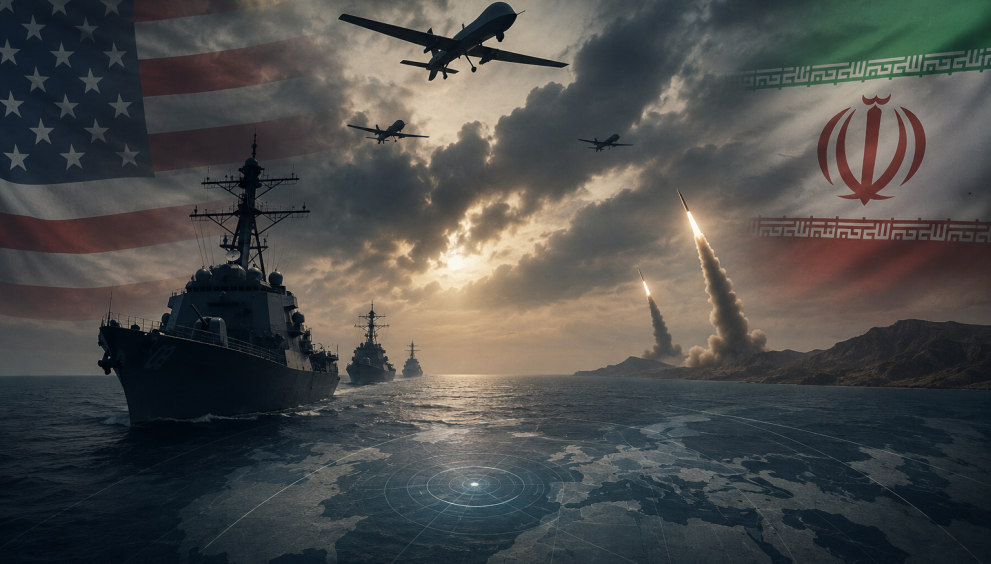
According to Trump, three U.S. Navy destroyers came under attack while transiting the Strait of Hormuz, one of the world’s most strategically vital energy chokepoints. The president said the ships passed through successfully and sustained no damage, while American forces inflicted what he described as heavy losses on the Iranian attackers. The U.S. military said missiles, drones and small attack boats were involved in the confrontation.
The exchange unfolded in waters that carry roughly a fifth of global oil and liquefied natural gas shipments. Any renewed instability in the strait immediately reverberates across international energy markets, and traders reacted swiftly as concerns mounted over the durability of the ceasefire.
Iran accuses Washington of violating the truce
Iranian officials said the United States triggered the confrontation by striking an Iranian oil tanker and civilian targets on Qeshm Island. Tehran said its response targeted American military assets, claiming successful retaliatory strikes. U.S. officials, however, rejected those claims and said no American vessels were hit.
The conflicting narratives underscore the deep mistrust that continues to surround the ceasefire agreement. While both sides are still formally committed to the truce, each has accused the other of testing its limits.
Trump downplays escalation
Speaking later in Washington, Trump sought to portray the confrontation as contained rather than a collapse of diplomacy. He said the ceasefire remains in effect and indicated that negotiations with Tehran are still continuing despite the violence.
His remarks are aimed at preserving momentum behind a U.S. peace proposal now under Iranian review. Washington’s framework reportedly centers on ending hostilities in the Gulf and securing commitments that Iran will not develop nuclear weapons. So far, Tehran has not publicly accepted the proposal, though Trump has suggested Iranian officials have shown informal willingness to discuss its terms.
Pressure on diplomacy and markets
The latest fighting has complicated already delicate diplomatic efforts. International mediators have been trying to convert the temporary ceasefire into a broader political settlement, but the latest confrontation has revived fears that even limited military exchanges could spiral into a wider regional conflict.
Financial markets also reacted sharply. Oil prices climbed above the $100-per-barrel mark amid concerns over shipping security in the Gulf, while fuel costs in the United States have risen significantly since late February. The energy impact could create added domestic pressure for the Trump administration, which has repeatedly stressed both economic stability and avoiding a prolonged military entanglement in the region.
What comes next
For now, the ceasefire appears to be holding in technical terms, but Thursday’s confrontation has shown how fragile it remains. The coming days will likely hinge on Tehran’s response to Washington’s peace proposal and whether both sides can avoid further military incidents in the Strait of Hormuz.
Even as Trump insists the truce survives, the renewed exchange of fire has highlighted how quickly tensions between Washington and Tehran can flare and how narrow the path to a durable settlement remains.
________________________________________________________________________________________________________________