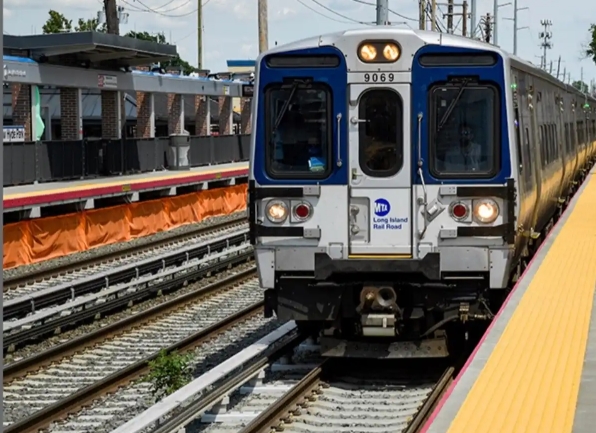
A major labor strike shut down New York’s Long Island Rail Road (LIRR) on Friday, crippling the busiest commuter rail network in the United States and stranding hundreds of thousands of passengers across the New York metropolitan area.
The walkout, launched after overnight contract negotiations collapsed between transit officials and union leaders, immediately halted nearly all service on the sprawling commuter system that connects Long Island suburbs to Manhattan’s Penn Station and Grand Central Terminal.
Transportation authorities warned that the disruption could last for days unless an emergency agreement is reached.
Massive Disruptions Across New York Region
The shutdown sparked widespread chaos during the morning commute, with packed highways, overcrowded buses, and long queues forming at ferry terminals and ride-share pickup zones.
The Long Island Rail Road serves more than 300,000 riders daily and is considered a critical transportation artery for New York’s financial district, healthcare sector, schools and businesses.
Commuters described scenes of confusion at major stations including Jamaica Station, Penn Station and Atlantic Terminal in Brooklyn, where digital boards displayed cancellation notices and security personnel directed frustrated passengers toward alternative transport options.
Traffic congestion on major roadways leading into New York City, including the Long Island Expressway and Queens Midtown Tunnel, surged dramatically within hours of the strike beginning.
Why Workers Went on Strike
Union representatives said the strike was triggered by disputes over wages, overtime protections, staffing shortages, and employee scheduling conditions.
Labor leaders accused the Metropolitan Transportation Authority (MTA), which operates the LIRR, of failing to address rising living costs and worsening working conditions for conductors, engineers, maintenance crews, and station personnel.
“We kept negotiations going for months, but workers reached a breaking point,” one union official told reporters outside MTA headquarters.
The unions also argued that staffing shortages have increased safety concerns and placed excessive pressure on frontline employees already dealing with heavy passenger volumes.
MTA and State Officials Respond
The MTA condemned the strike and urged workers to return to negotiations immediately, warning that the shutdown could inflict severe economic damage on the region.
New York Governor Kathy Hochul called the disruption “deeply unacceptable” and said state officials were working around the clock to broker a settlement.
Emergency contingency plans were activated, including expanded bus services, temporary park-and-ride programs, and additional ferry operations from Long Island and Queens into Manhattan.
Authorities also encouraged businesses to allow employees to work remotely where possible to reduce pressure on transportation infrastructure.
“We are doing everything possible to restore service and minimize disruption to commuters,” Hochul said during a press briefing.
Economic Impact Could Be Severe
Economists warned that a prolonged shutdown could cost the New York regional economy hundreds of millions of dollars due to lost productivity, shipping delays, reduced retail activity and commuter disruptions.
The Long Island Rail Road is a key component of the nation’s largest metropolitan transit network and plays a central role in moving workers into Manhattan each day.
Financial analysts noted that even a short-term strike could affect trading operations, office attendance, hospitality businesses and tourism activity across New York City.
Small businesses near commuter hubs were already reporting declining customer traffic by midday Friday as passenger flows collapsed.
Political Pressure Mounts
The strike has rapidly become a major political issue, placing pressure on both state leaders and federal transportation officials to intervene.
Several lawmakers called for emergency mediation, while commuter advocacy groups criticized both labor leaders and transit management for allowing negotiations to deteriorate to the point of a shutdown.
The Biden administration’s Labor Department said it was monitoring the situation closely, though federal officials stopped short of announcing direct intervention.
Transport experts warned that if the dispute continues through the weekend and into next week, the impact could rival some of the largest transit disruptions in recent New York history.
Uncertain Timeline for Service Restoration
As negotiations resumed Friday afternoon, officials cautioned that there was no immediate timeline for restoring full rail service.
Union leaders said workers would remain on strike until meaningful progress is made on contract demands, while the MTA insisted that certain union proposals would place unsustainable financial pressure on the transit system.
For millions across the New York region, however, the immediate concern remains how to get to work, school, or home as one of America’s most important commuter rail systems remains at a standstill.
________________________________________________________________________________________________________________