Major Oil Shipments Successfully Leave Strategic Waterway
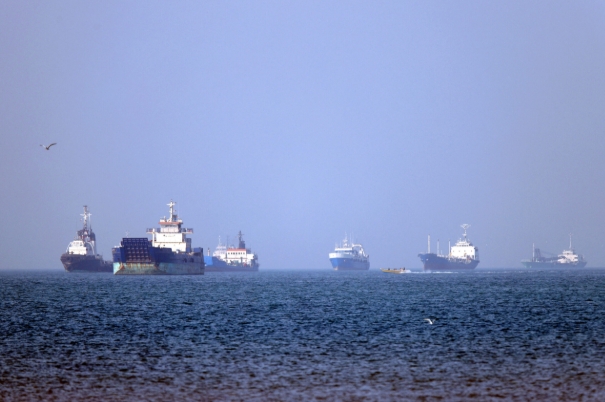
Three supertankers carrying a combined 6 million barrels of crude oil successfully exited the Strait of Hormuz on Wednesday, marking a significant development for global energy markets as tensions continue to simmer in the Gulf region.
According to shipping data from Kpler and LSEG, the vessels transported crude oil from Iraq, Kuwait, and Qatar to major Asian destinations, including China and South Korea. The successful passage comes after months of disruptions caused by the escalating conflict involving Iran, the United States and Israel.
The Strait of Hormuz remains one of the world’s most important maritime oil chokepoints, handling nearly one-fifth of global petroleum supplies. Any disruption to shipping through the narrow waterway has immediate consequences for oil prices and global energy security.
Tankers Bound for China and South Korea
Among the vessels that completed the transit was the VLCC Yuan Gui Yang, carrying approximately 2 million barrels of Iraqi Basrah crude oil destined for China’s Shuidong Port.
Another tanker, the Ocean Lily, transported around 2 million barrels of mixed Iraqi and Qatari crude to Quanzhou Port in China.
Meanwhile, the South Korean-flagged Universal Winner carried roughly 2 million barrels of Kuwaiti crude oil bound for Ulsan, where it is expected to supply SK Energy refineries.
The successful movement of these cargoes signals cautious optimism among shipping operators and energy traders who have been closely monitoring the security situation in the Gulf.
Strait of Hormuz Remains Critical to Global Energy Markets
The Strait of Hormuz connects the Persian Gulf to the Arabian Sea and serves as a key export route for major oil-producing nations including Saudi Arabia, Iraq, Kuwait, Qatar, and the United Arab Emirates.
Before the current crisis, dozens of oil tankers crossed the strait daily. However, escalating military tensions and fears of attacks on commercial vessels led to a sharp decline in maritime traffic earlier this year.
Shipping companies have faced rising insurance costs, security threats, and operational risks while navigating the region. Several tanker operators previously delayed voyages or rerouted vessels due to concerns over possible confrontations.
Security Concerns Continue Despite Successful Transit
Although the latest tanker movements are being viewed as a positive sign, maritime security experts warn that the region remains highly volatile.
Reports indicate that Iran has enforced stricter navigation measures in the area, requiring vessels to follow designated routes and security protocols while crossing the strait. Some ships have reportedly switched off tracking systems during parts of their journey to reduce exposure to potential threats.
International maritime agencies continue to warn shipowners about elevated risks in the Gulf, including possible military encounters, drone attacks and sea mines.
Energy analysts say the successful exit of several supertankers does not necessarily mean shipping operations have fully normalized.
Oil Markets Watching Closely
Global oil markets reacted cautiously to news of the tanker movements, with crude prices easing slightly after weeks of volatility driven by fears of supply disruptions.
Traders and investors are now watching closely to see whether more tankers will successfully navigate the strait in the coming days. A sustained increase in oil flows through Hormuz could help stabilize global energy supplies and reduce pressure on international fuel prices.
At the same time, geopolitical uncertainty continues to cloud the outlook for the energy sector. Any renewed escalation in the region could quickly reverse recent gains and reignite concerns about a broader supply crisis.
Diplomatic Efforts Continue
The developments come as diplomatic discussions surrounding Iran and regional security continue behind the scenes. U.S. President Donald Trump recently suggested that negotiations with Tehran remain possible despite ongoing hostilities.
While no formal agreement has been announced, market observers believe even limited diplomatic progress could help ease tensions around the Strait of Hormuz and restore confidence among global shipping operators.
For now, the successful transit of 6 million barrels of crude oil offers a temporary sign of relief for energy markets still grappling with uncertainty in one of the world’s most strategically important regions.
________________________________________________________________________________________________________________