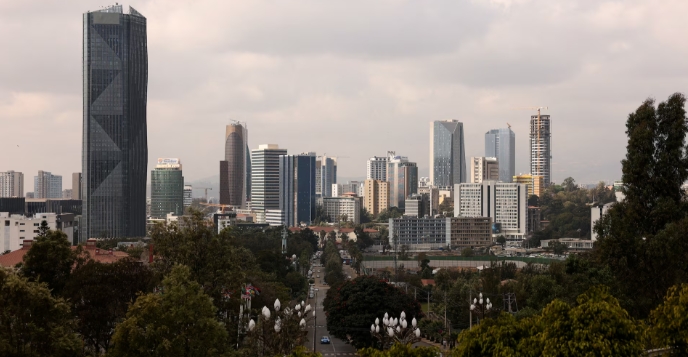
Ethiopia’s Debt Challenge and the Push for Restructuring
Ethiopia has been navigating one of the most complex sovereign debt restructuring processes in Africa, as the country works with international creditors to address mounting debt pressures and stabilize its economy.
The East African nation, one of the region’s fastest-growing economies in the past decade, began facing heightened debt stress following external shocks, including the COVID-19 pandemic, global inflation and domestic conflicts that strained public finances.
As debt servicing costs rose, Ethiopia formally requested assistance under global debt restructuring frameworks designed to support countries facing unsustainable debt burdens.
Request for Debt Relief and IMF Engagement
A key turning point came when Ethiopia entered into discussions with the International Monetary Fund (IMF) for financial assistance and macroeconomic reforms aimed at restoring debt sustainability.
The IMF’s involvement helped set the foundation for broader negotiations with bilateral and private creditors, including members of the Paris Club and non-traditional lenders such as China.
These discussions focused on restructuring external debt, extending repayment timelines, and securing concessional financing to ease fiscal pressure.
Participation in the G20 Common Framework
Ethiopia’s restructuring process became part of the G20 Common Framework for Debt Treatments, an initiative launched to help low-income countries coordinate debt relief with official and private creditors.
Under this framework, Ethiopia began engaging with multiple creditor groups simultaneously, a process that has often proven slow and technically complex due to differing interests among lenders.
The Common Framework requires consensus among all major creditors before final agreements can be implemented, making coordination a central challenge in Ethiopia’s case.
Suspension of Debt Payments and Negotiation Stalemates
At several points during the restructuring process, Ethiopia faced difficulties reaching timely agreements, leading to delays in debt relief implementation.
Negotiations were complicated by disagreements over debt valuation, repayment terms, and the treatment of different categories of creditors, including Eurobond holders and bilateral lenders.
Despite these challenges, Ethiopia continued to prioritize dialogue with international partners while maintaining partial debt servicing to avoid default.
Economic Reform Agenda and IMF-Supported Program
As part of its restructuring path, Ethiopia has implemented a series of macroeconomic reforms supported by the IMF. These measures include fiscal consolidation, currency adjustments, and efforts to improve public financial management.
The reform program is designed to restore investor confidence, stabilize inflation, and create conditions for sustainable economic growth.
However, these reforms have also presented short-term challenges, including pressure on household incomes and increased costs of imported goods.
Role of Major Creditors and International Partners
Key international stakeholders in Ethiopia’s debt restructuring process include the Paris Club, China as a major bilateral lender, and private bondholders.
Each group has different expectations regarding repayment terms and risk exposure, making negotiations particularly complex.
Multilateral institutions such as the World Bank and IMF have played a coordinating role, helping to align creditor expectations and support Ethiopia’s reform agenda.
Progress and Ongoing Negotiations
Recent developments indicate gradual progress, with Ethiopia moving closer to reaching agreements with some creditor groups while continuing discussions with others.
Officials have emphasized that while progress has been made, finalizing a comprehensive restructuring deal remains a work in progress due to the need for consensus across all stakeholders.
Analysts say that Ethiopia’s case highlights both the strengths and limitations of the current global debt restructuring architecture, particularly for countries with diverse creditor bases.
Outlook for Ethiopia’s Debt Future
Looking ahead, Ethiopia’s economic recovery will depend heavily on the successful completion of its debt restructuring process and continued implementation of structural reforms.
If agreements are finalized, the country could gain significant fiscal breathing room, allowing it to redirect resources toward infrastructure, development, and social programs.
However, delays or partial agreements could prolong financial uncertainty and slow down economic recovery efforts.
For now, Ethiopia remains at a critical stage in its debt restructuring journey, balancing reform commitments with ongoing negotiations to secure long-term financial stability.
________________________________________________________________________________________________________________