Capacity Constraints Raise Questions Over Zimbabwe’s Lithium Processing Plans
Zimbabwe’s only operational lithium sulphate processing plant is currently unable to process lithium concentrate from other mining companies, raising fresh concerns as the country prepares to ban lithium concentrate exports from January 2027. The development highlights the challenges facing Africa’s largest lithium producer as it pushes to expand domestic mineral beneficiation and capture more value from its vast lithium resources.
Sole Processing Plant Reserved for Internal Production
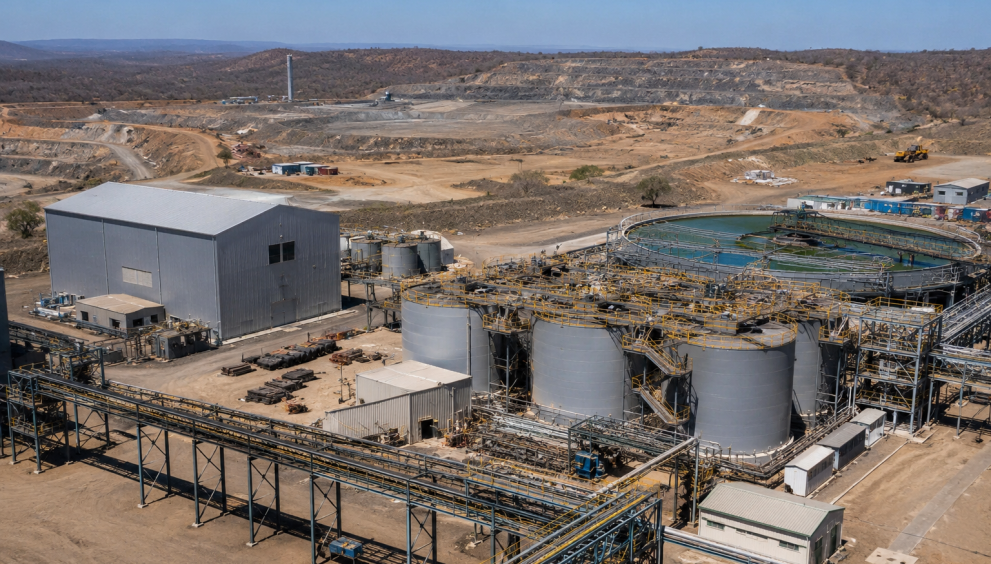
The country’s only lithium sulphate plant is operated by Prospect Lithium Zimbabwe, which is owned by China’s Zhejiang Huayou Cobalt. According to mine manager Mthokozisi Goliath, the facility has no spare capacity to process ore supplied by other mining companies.
Goliath explained that the mine’s concentrator produces approximately 400,000 tonnes of lithium concentrate annually, fully utilizing the sulphate plant’s current processing capacity. As a result, the facility can only process material extracted from its own mining operations.
Government Stands Firm on Export Ban
Despite concerns from miners, Zimbabwe’s government has reaffirmed that the ban on lithium concentrate exports will take effect in January 2027.
Speaking during a visit to the processing facility, Mines Minister Polite Kambamura said there are currently no plans to delay the implementation of the policy. He urged mining companies to meet the government’s beneficiation deadline, stressing that Zimbabwe remains committed to processing more of its minerals domestically before export.
Miners Race to Complete Processing Plants
Several major lithium producers are constructing their own lithium sulphate processing facilities to comply with the upcoming regulations. However, industry officials acknowledge that some of these projects are unlikely to be completed before the January 2027 deadline.
Among those building new plants are Bikita Minerals, owned by China’s Sinomine Resource Group, and Kamativi Mining Company, a Zimbabwean subsidiary of China’s Yahua Group. Industry representatives have previously appealed for additional time to complete construction, citing the scale and complexity of the projects.
Zimbabwe Seeks Greater Value from Battery Minerals
Zimbabwe has become Africa’s leading lithium producer, with Chinese companies investing an estimated US$2 billion in mining and processing operations since 2021. The government views domestic processing as a key strategy for increasing export earnings, creating skilled jobs, and strengthening the country’s role in the global electric vehicle battery supply chain.
Lithium is one of the world’s most sought-after minerals due to its critical role in manufacturing rechargeable batteries used in electric vehicles, renewable energy storage systems, and consumer electronics.
Industry Faces Tight Deadline
While Zimbabwe’s beneficiation policy is expected to boost long-term economic value, the limited availability of processing capacity presents a significant hurdle for miners ahead of the export ban.
Unless additional processing plants become operational before January 2027, some producers may face logistical and operational challenges in complying with the new regulations. The coming months are expected to be crucial as both government and industry work to expand the country’s lithium processing infrastructure while maintaining production and export growth.
________________________________________________________________________________________________________________