

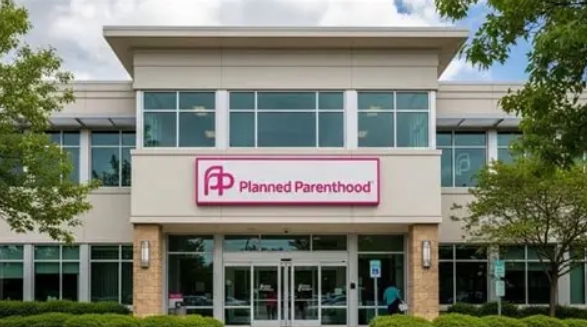
Planned Parenthood is facing the possibility of a $1.8 billion Medicaid-related financial penalty as a long-running fraud lawsuit brought by Texas and an anti-abortion whistleblower moves closer to trial in federal court.
Background of the Case
The case stems from allegations that Planned Parenthood improperly billed the Texas Medicaid program, triggering claims under federal and state whistleblower laws. The lawsuit seeks billions of dollars in damages and has advanced after a federal judge ruled that the case must proceed to trial, rejecting dismissal attempts.
Media outlet has reported that potential liability could reach approximately $1.8 billion if the plaintiffs ultimately prevail.
Fraud Allegations and Legal Claims
The plaintiffs accuse the reproductive healthcare provider of systemic Medicaid billing violations, arguing that improper reimbursements were made over an extended period. The case is being pursued under whistleblower provisions that allow private individuals and states to seek financial penalties on behalf of government programs.
Court Rulings and Trial Status
A federal court has already determined that sufficient grounds exist for the case to proceed, setting the stage for a high-stakes trial. The ruling marks a significant step forward for Texas and the whistleblower, who are seeking substantial financial damages.
Broader Medicaid Funding Dispute
The lawsuit is separate from a wider national legal battle over Medicaid funding for Planned Parenthood affiliates that provide abortion services. Recent court decisions have allowed parts of a Trump-backed law restricting Medicaid payments to certain providers to remain in effect while appeals continue.
These restrictions have intensified political and legal disputes over how reproductive healthcare organizations are funded through federal programs.
Planned Parenthood’s Response
Planned Parenthood has denied all allegations of wrongdoing, stating that the claims are politically motivated and inconsistent with its compliance with Medicaid regulations. The organization continues to defend itself in court while also challenging broader federal funding restrictions.
Potential Impact
If the plaintiffs succeed, the case could have major financial and operational consequences for Planned Parenthood, which operates hundreds of clinics nationwide and serves millions of patients annually. The outcome may also influence future Medicaid enforcement and reproductive healthcare funding policies.

