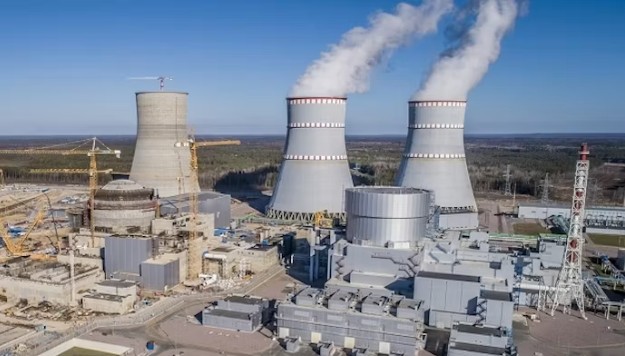
Russian President Vladimir Putin has announced plans for a major expansion of the country’s nuclear power sector, with Russia preparing to commission approximately 30 gigawatts of additional nuclear generating capacity.
The planned expansion will include both large scale nuclear power plants and smaller nuclear facilities, as Moscow seeks to strengthen nuclear energy as a central component of its long-term electricity strategy.
The new capacity is expected to help replace ageing reactors as existing facilities are gradually retired, while also increasing Russia’s overall nuclear generation capacity.
Putin said the expansion would extend nuclear development into additional parts of the country, including the Urals, Siberia and the Russian Far East.
Russia currently operates approximately 34.6 GW of nuclear generating capacity, while eight additional reactor units are under construction, reflecting the country’s continued investment in nuclear energy.
The Kremlin views nuclear power as an important source of reliable, low-carbon electricity and a strategic component of Russia’s future energy security.
The planned projects could also support industrial development in regions where additional and stable electricity supplies are needed, particularly as Russia seeks to expand manufacturing, infrastructure and technological capacity.
The announcement underscores Moscow’s long-term commitment to nuclear energy at a time when countries around the world are reassessing their electricity strategies amid growing demand, energy-security concerns and efforts to reduce dependence on fossil fuels.
If implemented, the planned 30 GW expansion would represent a substantial increase in Russia’s nuclear-generation fleet and further strengthen the country’s position as one of the world’s major nuclear-energy producers.
Russia’s nuclear expansion is therefore expected to remain a significant part of its energy, industrial and regional-development strategy in the years ahead.