The United States has launched a broad new sanctions campaign designed to intensify pressure on Iran’s economy, targeting the country’s oil revenues, financial networks, military procurement channels and international trading partners.
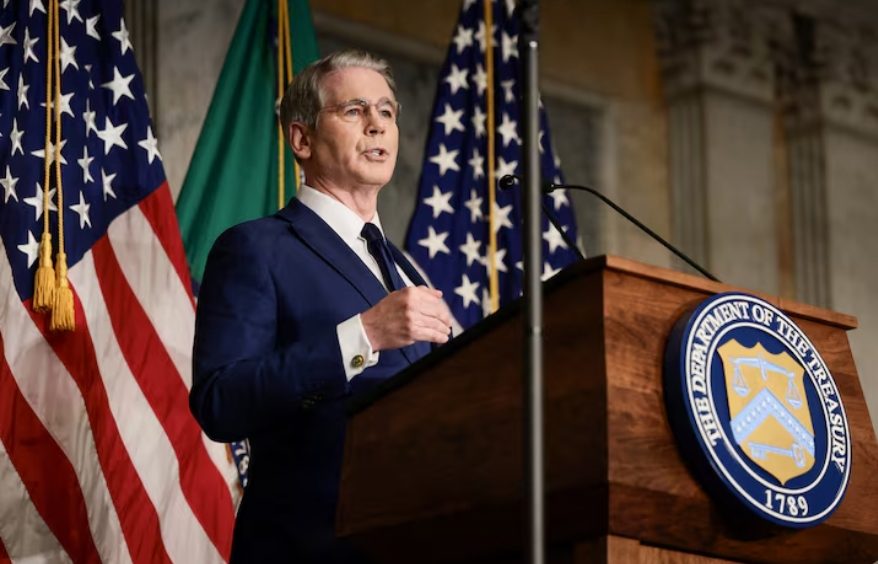
U.S. Treasury Secretary Scott Bessent described the initiative as an “economic onslaught” against Tehran. The campaign, known as Operation Economic Outcast, combines fresh sanctions with threats of penalties against foreign companies and countries that continue doing business with Iran.
What the new measures target
The U.S. Treasury Department’s Office of Foreign Assets Control has sanctioned nearly 60 Iran-linked individuals, companies and vessels. The targets include networks accused of supporting Iran’s ballistic-missile and nuclear programs, cyber operations against U.S. infrastructure and the sale and transportation of Iranian oil.
Washington is also expanding its focus beyond traditional banking and oil restrictions. The new campaign covers potential sanctions exposure in cryptocurrency, technology, gold, aviation and shipping, sectors that U.S. officials say can be used to circumvent existing restrictions and move money into Iran.
The oil sector remains central to the campaign. Several brokers, financial intermediaries and tankers connected to Iran’s so-called shadow fleet have been designated as blocked property, making them subject to U.S. financial restrictions.
Pressure on Iran’s trading partners
A significant element of the strategy is the threat of secondary sanctions. Washington is pressing other countries and companies to reduce or end economic dealings with Iran, warning that continued support could expose them to U.S. penalties.
The approach is particularly important for Iran because oil exports remain one of its most important sources of foreign currency. China is Iran’s largest oil customer, making Beijing’s response a major test of how effectively the new campaign can restrict Tehran’s access to international markets.
Iran rejects the pressure
Iran has vowed to resist the expanded sanctions and accused Washington of pursuing economic aggression while simultaneously calling for negotiations. Tehran’s response comes as its economy faces significant pressure, including a sharply weakened currency and high inflation.
The United States, meanwhile, says the objective is to restrict the Iranian government’s ability to generate and move revenue that Washington says supports its military, weapons programs and regional activities.
The latest measures represent another escalation in the Trump administration’s maximum-pressure strategy toward Iran. Their effectiveness will depend heavily on whether major trading partners comply with U.S. demands, how successfully Iran can continue using alternative financial and shipping networks, and whether the campaign ultimately pushes Tehran toward negotiations.
________________________________________________________________________________________________________________