The United States has declined to join a UK-led initiative imposing trade restrictions on Israeli settlements in the occupied West Bank, highlighting a growing policy difference between Washington and several of its traditional European allies over Israel’s settlement expansion.
UK and Allies Target Settlement Trade
The United Kingdom announced measures on September 8, 2026, alongside France, Canada and other European countries, targeting trade in goods originating from Israeli settlements in the West Bank. London said the measures were intended to respond to accelerating settlement expansion and violence against Palestinians, while protecting the possibility of a future two-state solution.
The UK government has also opposed Israeli development plans in strategically important areas of the West Bank, including the E1 corridor, which Palestinians and several Western governments argue could undermine the territorial continuity needed for an independent Palestinian state.
Washington Keeps Its Distance
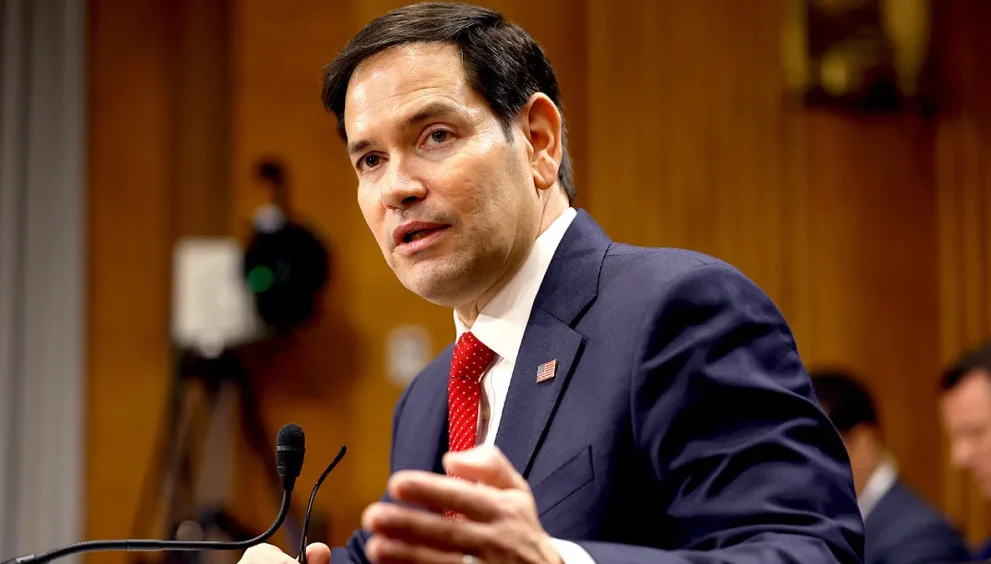
U.S. Secretary of State Marco Rubio said Washington would not join the UK-led sanctions, despite criticism from some American officials of settlement-related activities.
The position comes after U.S. Ambassador to Israel Mike Huckabee warned that Britain’s decision could have consequences for British companies and individuals because some U.S. states have laws requiring government entities to distance themselves from businesses that participate in certain boycotts or sanctions against Israel.
However, the Trump administration has also shown concern about extremist settler activity. Huckabee recently warned Israeli settlers against taking property belonging to Palestinian Americans and indicated that individuals involved in such actions could face U.S. sanctions.
Israel Retaliates Against Britain
Israel has strongly rejected the British measures. Israeli Foreign Minister Gideon Saar announced retaliatory steps, including plans to close Britain’s consulate in East Jerusalem, restrict British involvement in training Palestinian Authority security forces and bar several British politicians from entering Israel.
The confrontation represents a significant deterioration in UK-Israel relations and comes as international pressure over settlement expansion and the broader Israeli-Palestinian conflict intensifies.
Wider Diplomatic Divide
The U.S. decision not to adopt the British sanctions underscores the differing approaches among Western governments toward Israel. While Washington continues to support Israel strategically, several European governments are increasingly using economic and diplomatic measures to pressure Israel over settlement expansion and violence in the West Bank.
The disagreement could further complicate efforts by Western governments to develop a common position on the Israeli-Palestinian conflict and the future of the two-state solution.
________________________________________________________________________________________________________________