Washington engages directly with Yemen’s Iran-aligned Houthis as the group expands its control over strategic Red Sea territory and threatens a vital global shipping corridor
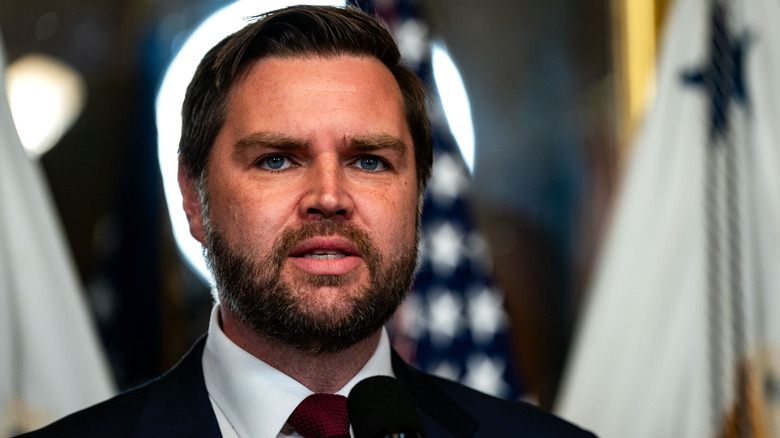
U.S. Vice President JD Vance has confirmed that the United States has been holding direct conversations with Yemen’s Houthi movement as Washington responds to the group’s rapid territorial advances along the Red Sea coast.
Vance said on Monday that the Trump administration was closely monitoring the situation and maintaining contact with regional partners after the Houthis seized Mayun Island, also known as Perim Island, a strategically important position in the Bab el-Mandeb Strait.
“We’ve been engaged in direct conversations with the Houthis themselves,” Vance told reporters, describing the situation as “very fluid and dynamic.” He did not disclose the details or objectives of the contacts.
Houthis Expand Control Along Red Sea
The latest escalation follows the Houthis’ capture of Mokha, a strategically important Yemeni port, and advances along the country’s western coastline. The group has also seized additional islands, strengthening its position around one of the world’s most important maritime chokepoints.
Mayun Island sits in the Bab el-Mandeb Strait, which links the Red Sea with the Gulf of Aden and the wider Indian Ocean. Its location gives whoever controls the island a strategically valuable position from which maritime traffic through the narrow waterway can be monitored or threatened.
The developments have raised concerns about the security of commercial shipping and energy supplies at a time when the wider Middle East is already facing severe disruptions around the Strait of Hormuz.
Threat to Global Shipping and Energy Markets
The Bab el-Mandeb is a crucial route for vessels travelling between the Indian Ocean, Red Sea and Suez Canal. Prolonged disruption could force commercial ships to take longer routes around Africa, increasing fuel consumption, insurance costs and delivery times.
The Houthi advance has also increased pressure on Saudi Arabia, which has relied more heavily on Red Sea routes as disruptions continue around Hormuz. Reuters reported on Tuesday that Houthi forces had launched renewed attacks against Saudi targets while consolidating positions along Yemen’s western coastline.
Oil markets have already reacted to the growing regional instability, with concerns that simultaneous disruptions around Hormuz and Bab el-Mandeb could place further pressure on global energy supplies.
Washington Weighs Its Response
Vance’s confirmation of direct contact with the Houthis comes as the Trump administration faces a difficult strategic decision.
Washington wants to protect freedom of navigation and prevent the conflict from threatening global trade, but a major new U.S. military campaign against the Houthis could open another front in an already volatile Middle East conflict.
A senior U.S. administration official said Washington’s focus includes protecting U.S. national-security interests and freedom of navigation while working with regional partners to address the security crisis.
The Houthis have previously demonstrated their ability to launch missiles and drones against ships and regional targets, making their growing control of strategic territory particularly significant for Washington and its allies.
A New Diplomatic Test for Trump Administration
The direct U.S.-Houthi contacts represent a notable diplomatic development given Washington’s longstanding opposition to the Iran-aligned movement.
For the Trump administration, the immediate challenge is to prevent the Houthi advance from turning the Bab el-Mandeb into another major regional flashpoint while safeguarding commercial shipping and energy supplies.
With the Houthis now holding strategically important positions along the Red Sea, Vance’s revelation of direct talks suggests Washington is seeking a diplomatic channel even as military and economic pressure across the region continues to intensify.
________________________________________________________________________________________________________________