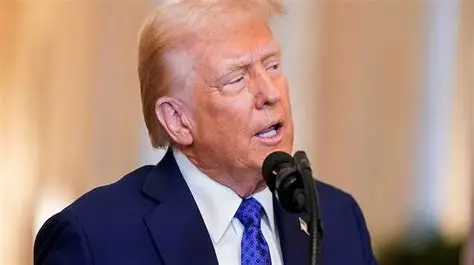
U.S. President Donald Trump says Iran is interested in reaching an agreement with Washington and suggested that a deal could be reached at a time of the United States’ choosing, while maintaining that Tehran is not yet ready for formal negotiations.
Speaking at a campaign rally in Gastonia, North Carolina, on September 16, Trump said he hoped the war with Iran was approaching its end. He also said there had been direct communication with Tehran, although the details and status of any negotiations remain unclear.
Trump Claims Iran Wants a Deal
Trump said Iran was seeking an agreement with the United States but argued that Tehran was not yet prepared to conclude one.
The president has previously said Washington is open to negotiations, while insisting that any agreement must meet U.S. demands. His latest comments represent another indication that diplomacy could become increasingly important as the conflict enters its seventh month.
However, there is no confirmed comprehensive peace agreement between Washington and Tehran at this stage, and significant differences remain between the two sides.
Trump Defends U.S. Military Campaign
Trump also defended the U.S. military operation against Iran, claiming that American strikes had severely damaged Iran’s nuclear capabilities and weakened parts of its military, including its navy and air force.
He further pointed to the U.S. blockade and restrictions on shipping as part of the pressure being applied to Tehran.
The conflict has continued to disrupt regional trade and energy markets, with the Strait of Hormuz remaining a major point of concern for global oil and gas supplies. Reuters reports that the conflict has contributed to elevated fuel prices and growing pressure on energy infrastructure across the region.
Gulf States Prepare for Post-War Discussions
Diplomatic efforts are also taking place beyond direct U.S.-Iran contacts. Trump is expected to meet Gulf Cooperation Council leaders on the sidelines of the United Nations General Assembly in New York next week to discuss the conflict and possible post-war arrangements.
Saudi Arabia, the United Arab Emirates, Qatar, Bahrain, Kuwait and Oman are expected to be represented in those discussions.
Meanwhile, fighting has expanded in Yemen, where Iran-backed Houthi forces and Saudi-supported forces have intensified clashes. The escalation has added further pressure to already disrupted regional shipping and energy routes.
Uncertainty Over a Peace Deal
Trump has repeatedly predicted that the conflict could end soon, but diplomatic progress remains uncertain. Analysts note that both Washington and Tehran continue to face pressure while maintaining significant differences over the conditions for ending hostilities.
For now, Trump’s comments signal renewed attention to negotiations, but whether direct contacts can produce a durable agreement remains unresolved as military operations and regional tensions continue.
________________________________________________________________________________________________________________