PROLONGED BLACKOUTS, FUEL SHORTAGES AND SOARING DIESEL COSTS DEEPEN PRESSURE ON BUSINESSES AND HOUSEHOLDS
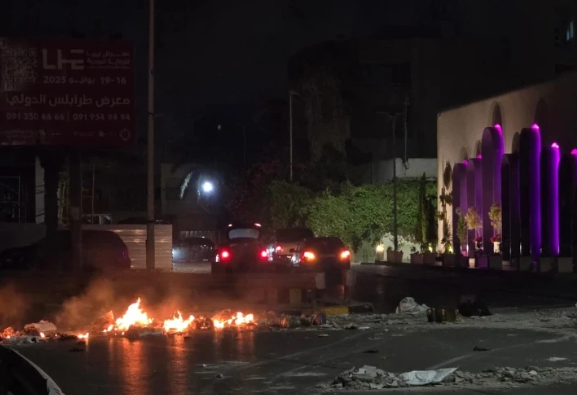
For years, electricity cuts have been part of daily life in Libya. But this summer, prolonged blackouts and extreme heat have pushed businesses and households under unprecedented pressure, with some companies struggling simply to stay open.
In Tripoli, restaurant owner Naseem Al-Akkari tthat repeated power outages have forced his businesses to rely heavily on generators and expensive diesel purchased on the black market. He estimated that the electricity crisis had cost his businesses around $40,000 in losses over several months.
OUTAGES AND RISING FUEL COSTS
In some areas of Tripoli, power cuts have reportedly lasted as long as 36 hours. Businesses that depend on refrigeration and air conditioning face the risk of spoiled goods and rising operating costs.
Al-Akkari said his businesses can spend about 10,000 Libyan dinars nearly $1,600 a day operating generators during extended outages. Meanwhile, black market diesel prices have risen dramatically compared with Libya’s heavily subsidised official price.
The impact is also being felt in Benghazi, where a family owned pastry business has reportedly laid off workers and occasionally closed for entire days because of electricity disruptions.
AN OIL-RICH COUNTRY FACING FUEL SHORTAGES
The crisis has highlighted a striking contradiction: Libya has some of Africa’s largest oil reserves, yet it remains heavily dependent on imported refined petroleum products.
Analysts cited in the report estimate that fuel smuggling costs Libya billions of dollars each year, with criminal networks diverting significant quantities of imported fuel that is intended for domestic consumption.
The country’s refining infrastructure has also struggled. Libya’s five main refineries have a combined theoretical capacity of about 380,000 barrels per day, but actual production is substantially lower.
POWER CRISIS HITS WATER SUPPLIES
The electricity crisis has also affected essential public services.
The Great Man-Made River, Libya’s vast network transporting groundwater from the Sahara to populated areas, has experienced disruptions following blackouts affecting the state electricity company.
The outages are therefore extending beyond businesses and households, affecting water access and other basic services.
LONG FUEL QUEUES DEEPEN PUBLIC FRUSTRATION
Fuel shortages have produced long queues across both western and eastern Libya, where rival political administrations have governed since the country’s 2014 civil war.
Authorities have introduced measures including mobile refuelling stations, but long waiting times have continued.
The latest crisis comes as Libya’s oil sector itself faces renewed pressure. The National Oil Corporation said this week that production remained around 1.4 million barrels per day despite temporary shutdowns at several oilfields linked to protests. The NOC has warned that prolonged disruptions could force it to declare force majeure.
A WIDER TEST FOR LIBYA’S ECONOMY
Libya’s electricity and fuel problems expose challenges that extend beyond the immediate power crisis, including ageing infrastructure, dependence on subsidised fuel, smuggling, political fragmentation and weaknesses in state institutions.
For small businesses, the consequences are immediate: higher operating costs, lost stock, reduced working hours and, in some cases, job losses.
For ordinary Libyans, the combination of electricity shortages, fuel queues and rising costs is adding to frustration in a country where energy wealth has not consistently translated into reliable basic services.