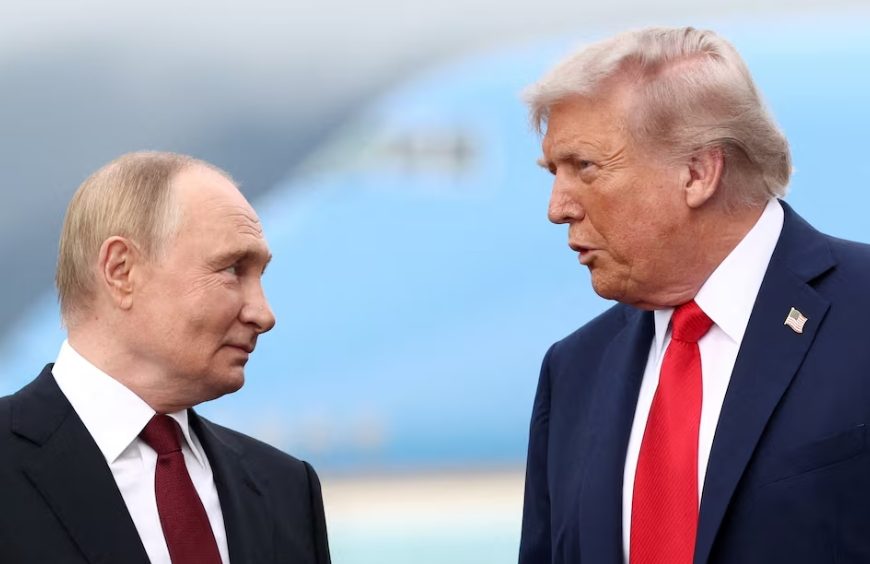
US President Donald Trump will take up to 60 days to assess the economic consequences of imposing new sanctions and tariffs linked to Russia, Secretary of State Marco Rubio has said, following the administration’s decision to temporarily waive key measures targeting Moscow and countries purchasing Russian energy.
Rubio said the review would allow Washington to examine the potential impact of the restrictions on the US economy and global markets, as rising energy prices and conflicts in the Middle East and Ukraine continue to disrupt oil and fuel supplies.
Trump signed an executive order on Friday, October 16, waiving key provisions of the Graham Act, legislation designed to increase economic pressure on Russia over its war against Ukraine. The measures were scheduled to take effect the following week.
Washington Weighs Economic Consequences
Speaking to reporters on Saturday, Rubio explained that the proposed sanctions could affect more than Russia alone. The legislation also provides for tariffs on goods from countries importing Russian oil and gas, potentially affecting major trading partners such as India.
Rubio said the administration needed time to evaluate the consequences of the restrictions before determining the appropriate course of action.
The review comes as the Trump administration faces pressure to contain rising fuel costs ahead of the November midterm elections. Disruptions to global energy supplies linked to the war involving Iran have added to concerns about the economic consequences of further restrictions on Russian exports.
Zelenskyy Criticises the Decision
Ukrainian President Volodymyr Zelenskyy criticised Washington’s decision to delay the measures, warning that easing economic pressure on Moscow could encourage Russian President Vladimir Putin to continue the war.
The proposed sanctions were intended to target Russia’s economy and increase pressure on the Kremlin to end its invasion of Ukraine. The decision to waive the measures has also drawn criticism from US lawmakers who supported the legislation.
Darline Graham, whose late brother, Senator Lindsey Graham, championed the bill, said she favoured maintaining pressure on Russia.
The decision has therefore opened a new debate over Washington’s approach to Moscow and its commitment to supporting Ukraine.
Russian Diesel Deal Adds to Energy Debate
Rubio also defended a separate arrangement under which Russia would supply diesel to the United States to help ease fuel-price pressures.
Trump said Russia would initially supply more than 300,000 metric tonnes of diesel, with further shipments expected in November and beyond.
Rubio argued that the arrangement reflected the realities of an increasingly interconnected global energy market, where conflicts can affect fuel availability and prices far beyond the regions in which they occur.
What Happens Next?
The 60-day review leaves the future of the sanctions and tariffs uncertain. The administration will have to weigh its objective of pressuring Moscow against the possible effects on energy prices, international trade and relations with countries that depend on Russian oil.
The outcome could have significant implications for Russia’s energy revenues, India’s energy trade and the wider international response to the war in Ukraine.
For now, Washington’s decision signals a pause in the implementation of key measures while the administration evaluates their economic and geopolitical consequences.
________________________________________________________________________________________________________________