Italian Prime Minister Giorgia Meloni has approved sweeping new security measures introducing fines of up to €20,000 and prison sentences of up to five years for violent participation in demonstrations, following a weekend of rioting, looting and clashes with police in Milan and other northern Italian cities.
Announced on October 20, 2026, the measures form part of Meloni’s latest law-and-order crackdown, with the government also planning to deploy an additional 500 army troops to Milan through the end of the year to reinforce police operations and protect sensitive locations.
The new rules take immediate effect under a government decree, although parliamentary approval is required to convert the decree into permanent law.
Tougher Penalties for Violent Demonstrations
Under the new measures, people participating in groups of five or more who engage in violent conduct that endangers public safety during demonstrations could face up to five years in prison and fines of up to €20,000.
Penalties may increase when demonstrators conceal their identities, injure other people or engage in group vandalism. Authorities will also have powers to seek compensation for damage caused during unrest.
The government says the measures are intended to distinguish legitimate protest from criminal activity. Meloni has argued that vandalism and theft cannot be justified as political expression.
Parents Face Financial Responsibility for Minors
The crackdown also targets youth violence, with parents potentially held financially responsible for damage caused by their children.
Police will be allowed to detain young people aged between 14 and 17 when there is evidence that they pose a danger, even if they have not committed a crime. The measure expands preventive powers previously applied to adults.
The government says the changes are necessary to respond quickly to threats of further violence, particularly as authorities monitor the possibility of additional unrest.
Milan Unrest Triggers Security Response
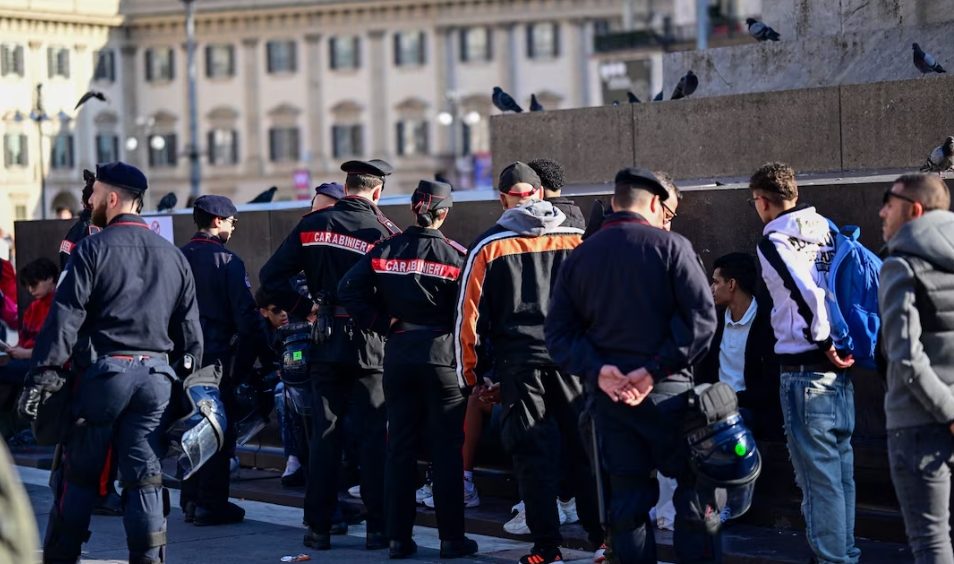
The new measures follow violent disturbances over the weekend in Milan and other northern Italian cities, where groups of predominantly young people smashed shop windows, looted businesses, set fires and clashed with police.
The unrest prompted security concerns in Milan’s commercial centre, with some luxury retailers closing their premises amid fears of further violence.
Authorities are increasing their security presence ahead of additional demonstrations, while the deployment of 500 troops is intended to support police patrols and strengthen surveillance around key locations.
Civil Liberties and Economic Pressures Under Scrutiny
Meloni’s government has introduced a series of tougher security laws since taking office in 2022. Supporters argue that stronger enforcement is necessary to protect communities and deter criminal behaviour, while critics warn that expanding police powers and increasing penalties could restrict the right to protest.
The latest crackdown comes amid wider economic pressures in Italy, including rising living costs and protests by truck drivers over high fuel prices. Road blockades in the south have disrupted deliveries and raised concerns among food producers and agricultural businesses.
With national elections expected in 2027, the government faces growing pressure to demonstrate that it can maintain public order while addressing the economic grievances contributing to social unrest.
The effectiveness of the new measures will depend on whether they reduce violence without unduly restricting peaceful demonstrations and civil liberties.
________________________________________________________________________________________________________________