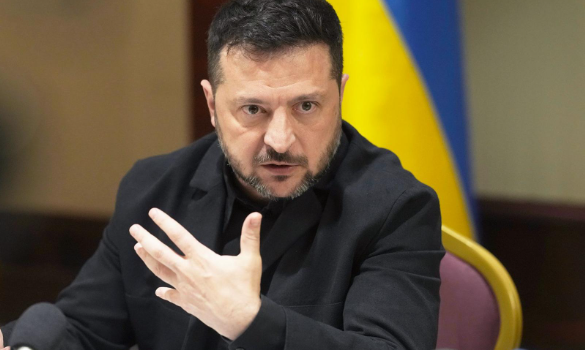
Ukrainian President Volodymyr Zelenskyy says Kyiv would suspend attacks on Russian oil refineries for one month if the United States provides Patriot air defence interceptor missiles for the same period, as Washington presses both sides to halt strikes on energy infrastructure.
Ukrainian President Volodymyr Zelenskyy has proposed a temporary halt to attacks on Russian oil refineries in exchange for an accelerated supply of American Patriot air-defence missiles, offering a possible route to de-escalation in the ongoing war.
Zelenskyy acknowledged that U.S. President Donald Trump had urged Ukraine to stop targeting Russian refineries. He said Kyiv would be prepared to suspend the attacks for one month if Washington supplied the missiles needed to strengthen Ukraine’s air defences over the same period.
Zelenskyy argued that Ukraine’s strikes on Russian energy facilities were a response to continued Russian attacks on Ukrainian cities and critical infrastructure, including electricity and gas facilities. He also proposed that Russia halt its attacks on Ukraine’s energy system as part of any arrangement.
The Ukrainian leader indicated that Kyiv would be willing to pay for the missiles rather than rely exclusively on military assistance, highlighting the urgency of securing additional air-defence capabilities.
Patriot Missiles Remain a Critical Priority
Patriot systems are among Ukraine’s most important defences against Russian ballistic missiles and other aerial threats. However, Zelenskyy has warned that obtaining additional interceptors remains a challenge, even as Washington has approved a proposed sale of 500 Patriot interceptors worth approximately $2.1 billion.
Although the approval represents a significant step, Zelenskyy has cautioned that deliveries could take several years, raising concerns about Ukraine’s ability to meet immediate defence needs.
The proposal comes amid continued U.S. pressure for Russia and Ukraine to stop attacking each other’s energy infrastructure. Trump has argued that strikes on refineries are contributing to wider energy-market pressures, while Kyiv maintains that its operations are intended to weaken Russia’s war effort and respond to attacks on Ukrainian infrastructure.
For now, Zelenskyy’s proposal remains an offer rather than a confirmed agreement. Its implementation would depend on Washington’s response and whether a broader understanding could be reached to protect energy infrastructure on both sides.