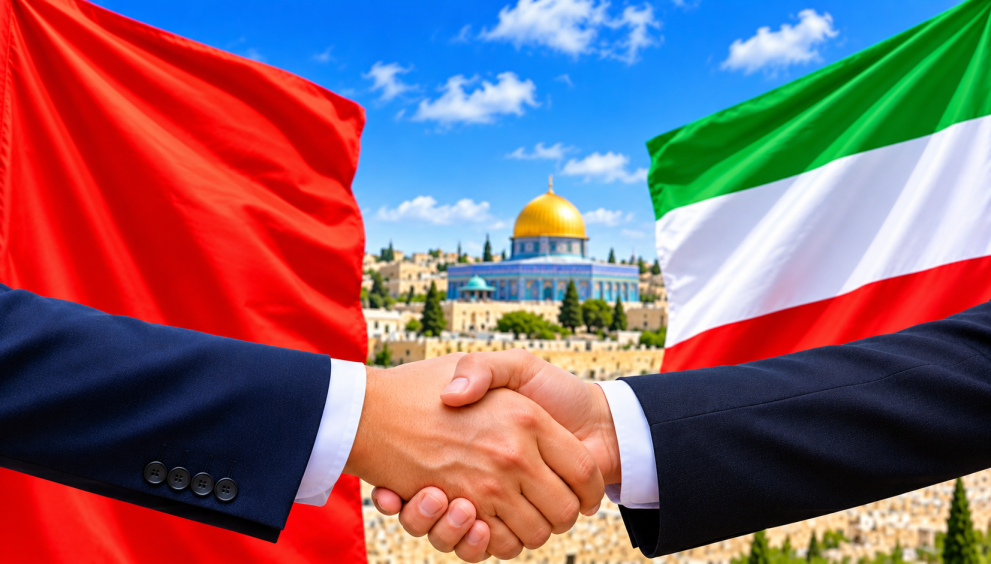
Iran has indicated that it remains open to diplomatic negotiations, while China has offered to play a role in restoring peace and stability across the Middle East, raising hopes for renewed diplomatic efforts amid continuing regional tensions.
The developments highlight growing international calls for dialogue and de-escalation as tensions in the Middle East continue to threaten regional security, economic stability and global energy supplies.
Iran’s willingness to consider talks could provide an opportunity for diplomatic engagement, although significant disagreements and security concerns remain. Tehran has consistently maintained that any negotiations must respect its national sovereignty, security interests and right to pursue its foreign policy objectives.
China Steps Up Diplomatic Efforts
Chinese Foreign Minister Wang Yi made the appeal during separate meetings in Beijing on November 2 with Ali Bagheri Kani, deputy secretary of Iran’s Supreme National Security Council, and Saudi National Security Adviser Musaed bin Mohammed Al-Aiban.
Wang stressed that dialogue and negotiations remain the most viable path towards resolving the conflict. He also reaffirmed China’s support for Iran’s sovereignty and security, while calling on all parties to avoid renewed military confrontation.
During discussions with the Saudi official, Wang described the region as standing at a critical crossroads between war and peace. He further emphasised the importance of protecting energy supplies and international shipping routes.
Iran Maintains Conditions for Negotiations
Meanwhile, Iran has confirmed that diplomatic contacts with Washington are continuing through mediators, including Qatar and Pakistan.
Iranian Foreign Minister Abbas Araghchi described the exchanges as intensive, while Tehran indicated that it could reopen the strategically important Strait of Hormuz if Washington accepts its demands.
Iran’s conditions reportedly include ending the conflict, lifting sanctions, unfreezing Iranian assets and ending the US blockade of Iranian ports. However, negotiations have yet to produce a breakthrough, with disagreements over nuclear-related issues and security arrangements remaining significant obstacles.
China has also announced plans to send its Middle East special envoy to Iran, Oman and Saudi Arabia during November as part of its diplomatic initiative to encourage negotiations and ease regional tensions.
A Critical Moment for Regional Stability
The diplomatic developments come amid concerns that renewed military confrontation could further destabilise the Middle East, disrupt international trade and threaten global energy markets.
With China increasing its diplomatic engagement and Iran signalling continued willingness to negotiate under certain conditions, international attention is turning towards whether diplomatic pressure can produce a sustainable agreement.
For now, the possibility of peace remains dependent on whether Washington and Tehran can overcome their differences and commit to a negotiated settlement.
________________________________________________________________________________________________________________