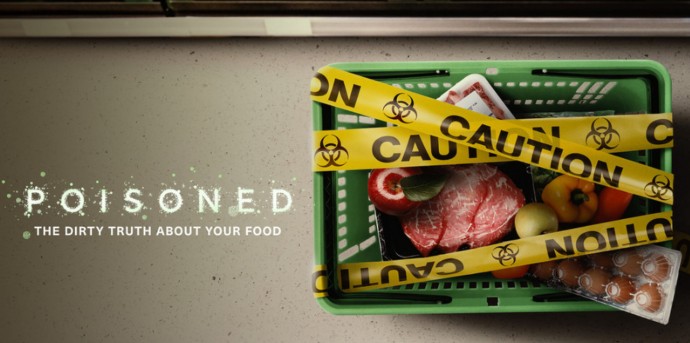
HSS head RFK Jr. has ordered food makers to stop using petroleum-based dyes in products like cereals, hard candy, and Kool-Aid, as part of his broader campaign targeting Big Food. The US food-industrial complex is linked to a chronic disease and obesity epidemic unmatched in other OECD nations.
Here’s what RFK Jr. must address to fix the food supply
The widespread use of glyphosate, Atrazine, and Carbaryl is actively causing cancers, neurological issues, and reproductive health problems, while contaminating the environment. Atrazine, a herbicide commonly used in the US, Canada, and Australia, is being applied to crops, despite being banned in the European Union in 2004 for surpassing regulatory limits in groundwater. The US is not following suit, even though atrazine has been banned in over 40 countries worldwide. Manufactured by Syngenta, atrazine is a chlorinated triazine systemic herbicide that is being registered for use on various crops, including corn, sorghum, and sugarcane. Approximately 80 million pounds of atrazine are being applied annually in the US, contaminating soil and groundwater. Research is showing that atrazine is leaching into soil and lingering for months or years, eventually reaching groundwater through runoff. A study is revealing that even 20 years after the ban, atrazine concentrations in groundwater remain high. Around 30 million Americans are being exposed to atrazine in their drinking water, according to a report by the Environmental Working Group. Atrazine is causing tumours, breast, ovarian, and uterine cancers, as well as leukaemia and lymphoma, with researchers finding a significant increase in breast cancer risk with high levels of triazine exposure. Atrazine exposure is also causing birth defects, including choanal atresia, stenosis, and gastroschisis. US researchers are finding that higher levels of atrazine are being associated with infant diagnoses of gastroschisis. Children of mothers with high levels of exposure to atrazine are experiencing a two-fold increase in risk for choanal atresia or stenosis, leading to life-threatening respiratory symptoms. Atrazine is also being linked to renal failure, with research showing that pesticide use is increasing the risk of end-stage renal disease. Atrazine is having neurotoxic effects, aligning with pathological characteristics in Parkinson’s disease, with studies supporting a strong evidence base that low-concentration exposure during development can increase the risk of neurodegeneration. The use of atrazine is actively putting human health at risk, and it is imperative that action is being taken to address this issue.
The US Environmental Protection Agency reapproved the use of atrazine for another 15 years in 2020, despite mounting evidence linking the chemical to severe illnesses. So, what drove this decision, and who was behind the push to keep atrazine on the market? It turns out that the US Department of Agriculture has been claiming since 1994 that banning atrazine would come with a hefty price tag, ranging from $517 million to $665 million, which would be passed on to farmers and consumers. Monsanto, the US agrochemicals giant, which is now a part of Germany’s Bayer, had a significant stake in the outcome, having invested $4.6 million in 2016 to influence agricultural policy and pesticide regulations. Although Monsanto isn’t a primary manufacturer of atrazine, its flagship product Roundup contains the toxic weed killer ingredient glyphosate. The company worked closely with Syngenta, the maker of atrazine, to coordinate their lobbying efforts at the national, EU, and international levels, according to the Corporate Europe Observatory.
The Revolving Door in Big Food and Regulators
It’s also been alleged that former Monsanto staff members landed powerful positions in government, while scientists were paid to promote the company’s interests. During the EPA’s review of atrazine in 2003, industry lobbyists were reportedly involved in numerous closed-door meetings with regulators. The American Farm Bureau Federation, which has significant financial ties to large agribusiness corporations, including Cargill, has been a major player in the lobbying efforts. In fact, Cargill Inc. spent a whopping $1,060,000 on lobbying in 2024. In 2022, a coalition of farm groups, including the American Farm Bureau Federation, National Corn Growers Association, and Agricultural Retailers Association, urged the EPA to refrain from restricting the use of atrazine, arguing that it would have devastating consequences for hundreds of thousands of American agricultural producers. Between 2005 and 2010, the top agribusiness interests spent a staggering $127 million lobbying Congress and federal agencies, with 159 lobbyists on the payroll in 2010. Monsanto and the American Farm Bureau were among the biggest spenders, according to a report by Environment Maryland in 2012. Syngenta also spent $260,000 lobbying the EPA and other government officials in 2004.
The International Agency for Research on Cancer has determined that atrazine is not classifiable as to its carcinogenicity to humans, which has allowed its continued use with new requirements. However, the EPA’s decision to reapprove atrazine has sparked controversy, with many arguing that the agency has put the interests of big agribusiness ahead of public health and safety. As the debate over atrazine continues, one thing is clear: the lobbying efforts of big agribusiness have played a significant role in shaping the regulatory landscape. The question remains, will the EPA prioritize the health and well-being of the American people, or will it continue to cater to the interests of powerful corporations?
Monsanto is poisoning our food supply
Monsanto is secretly poisoning our food supply with its controversial herbicide, glyphosate, the main ingredient in Roundup. This toxic chemical is everywhere, from breakfast cereals to your favourite snacks, and the scientific evidence is piling up, linking it to devastating health problems like cancer, hormone disruption, and immune dysfunction. Monsanto is fighting back, aggressively lobbying for state and federal protections to shield itself from liability, rather than addressing these concerns with transparency and accountability. By doing so, the company is directly attacking the health and priorities of every family. Researchers are actively investigating glyphosate’s role in disrupting our endocrine systems, which can lead to reproductive issues and compromise our immune function, making us more vulnerable to diseases. A shocking 2017 study published in the Journal of the American Medical Association found that glyphosate levels in human urine samples have skyrocketed over the past two decades, reflecting the growing presence of this toxic chemical in our environment and bodies. Despite these alarming findings, Monsanto is actively working to suppress critical science, ghostwriting studies and manipulating regulatory processes to maintain glyphosate’s market dominance.
Monsanto is lobbying aggressively to secure legal immunity
Instead of engaging in a thoughtful conversation about how to make our food safer and protect public health, the company is lobbying aggressively to secure legal immunity. Bayer, Monsanto’s parent company, has already succeeded in Georgia, where legislation has limited lawsuits from those harmed by glyphosate. Now, the company is targeting Florida, pushing to shield its profits over people’s lives. This is part of a larger pattern of prioritizing corporate interests over public welfare, reminiscent of the rushed vaccine mandates that sidelined rational debate about individual health choices. So, why is Monsanto seeking these protections if its product is truly safe? The answer lies in the growing body of evidence and the voices of those who refuse to stay silent. Dr. Joseph Ladapo, Florida’s Surgeon General, is speaking out, challenging entrenched narratives in public health and emphasizing the importance of prioritizing individual health and informed choice. This is not just about glyphosate; it’s about a system that consistently puts profits over people. The same forces that push for legal protections for harmful chemicals are the ones that dismiss sensible discussions about how to protect our children, our communities, and our future.
What’s driving Monsanto’s aggressive lobbying efforts? Is the company trying to hide something? The fact that it’s seeking legal immunity raises serious questions about the safety of its products. As consumers, we have the right to know what’s in our food and to make informed choices about our health. It’s time to demand transparency and accountability from Monsanto and the regulatory agencies that are supposed to protect us. We must take action to ensure that our food supply is safe and that corporate interests are not prioritized over public health. The fight for our health is ongoing, and it’s up to us to make our voices heard.
The Bayer-Monsanto Merger Conspiracy
Bayer, a German pharmaceutical giant, is now at the helm of Monsanto, the largest agrochemical company in the US, and this merger is sparking intense scrutiny. By acquiring Monsanto, Bayer has essentially created a system where it produces treatments for non-Hodgkin’s lymphoma, a cancer that Monsanto’s widely-used pesticide, Roundup, has been linked to causing, resulting in a staggering $11 billion in payouts for related cases. This raises serious concerns, as it appears that Bayer is profiting from both the cause and the cure of this devastating disease. Is this merger just a savvy business move, or is it a disturbing example of corporate greed, where companies are cashing in on both ends of the spectrum, leaving us to wonder who the real beneficiaries are? Bayer’s role in treating non-Hodgkin’s lymphoma, while also owning the company responsible for causing it, is a stark reminder of the need for greater transparency and accountability in the corporate world.
Written Tatenda BelLe Panashe