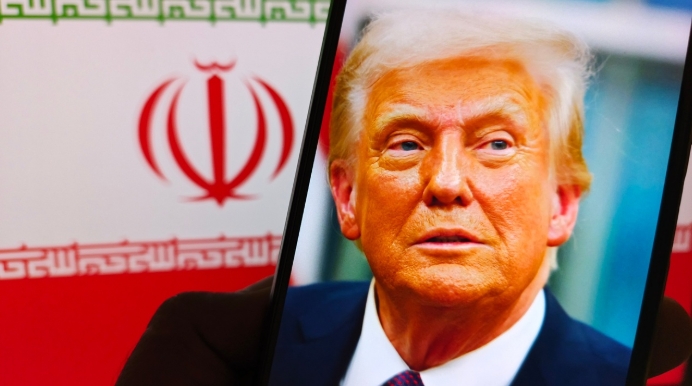
U.S. President Donald Trump has intensified pressure on Iran, holding high-level talks on extending a naval blockade while urging Tehran to agree to a comprehensive deal addressing its nuclear programme and regional tensions.
The move comes amid a deepening standoff in the Strait of Hormuz, a vital global oil chokepoint, where ongoing conflict has disrupted energy markets and raised fears of wider regional instability.
Blockade strategy and latest talks
According to officials and reports, Trump has been consulting military leaders and energy executives about maintaining and potentially prolonging the U.S. naval blockade of Iranian ports for several months. The blockade, first imposed in mid-April following failed negotiations, is aimed at forcing Iran back to the negotiating table.
Trump has framed the blockade as a key leverage tool, arguing it is more effective than direct military strikes in weakening Iran’s economy and strategic position.
Despite ongoing indirect contacts including mediated discussions through countries such as Pakistan the U.S. president has rejected Iran’s latest proposal, which suggested reopening shipping routes first and delaying nuclear talks until later.
Instead, Washington insists that any agreement must include immediate commitments from Tehran to curb or dismantle its nuclear ambitions.
Mounting pressure on Tehran
The blockade has significantly strained Iran’s economy. U.S. officials estimate it is costing Tehran hundreds of millions of dollars daily in lost oil revenue, while inflation and currency instability continue to worsen domestically.
Global oil prices have also surged, reflecting the disruption to one of the world’s most important energy transit routes.
Trump has publicly urged Iran to concede, stating that the pressure campaign is working and that Tehran must “give up” its nuclear ambitions to secure relief.
Iran’s response and rising risks
Iran has strongly condemned the blockade, warning of “unprecedented” retaliation if the U.S. continues its strategy. Officials in Tehran insist their nuclear programme is for peaceful purposes and have refused to negotiate under coercion.
The standoff has already led to military incidents at sea, including vessel seizures and threats against shipping, raising concerns of escalation into a broader conflict.
Meanwhile, Iranian leaders have dismissed U.S. demands as unrealistic, arguing that any deal must include sanctions relief, security guarantees and recognition of their regional rights.
Diplomatic deadlock
Efforts to reach a negotiated settlement remain stalled. The U.S. demands full nuclear concessions upfront, while Iran seeks a phased approach that separates immediate de-escalation from long-term nuclear discussions.
Analysts say the gap between the two sides remains wide, with both unwilling to appear weak. Trump, facing domestic and geopolitical pressures, has maintained a hardline stance, while Iranian leadership resists what it sees as forced capitulation.
Global implications
The prolonged crisis is having ripple effects far beyond the Middle East:
- Energy markets: Oil prices have climbed sharply due to supply uncertainty.
- Global trade: Disruptions in the Strait of Hormuz threaten a significant portion of worldwide oil shipments.
- Security risks: Continued military brinkmanship increases the likelihood of miscalculation and wider war.
Outlook
With neither side backing down, the situation remains volatile. Trump has signaled that the blockade will remain in place until a deal is reached, while Iran continues to resist pressure and warn of retaliation.
For now, diplomacy persists in the background but without a breakthrough, the crisis risks evolving into a prolonged confrontation with global economic and security consequences.
________________________________________________________________________________________________________________