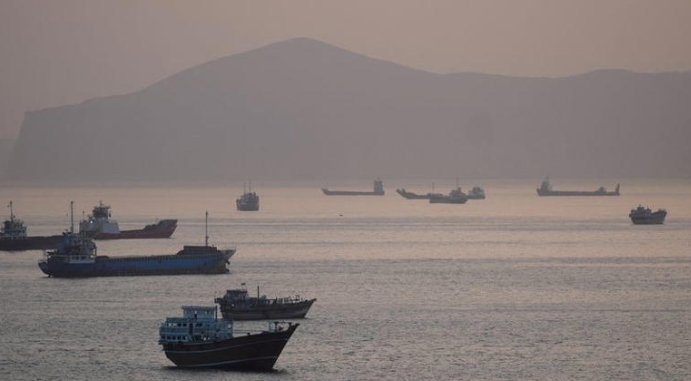
The United Arab Emirates (UAE) has issued a stark warning over Iran’s role in the ongoing Strait of Hormuz crisis, declaring that Tehran “cannot be trusted” to manage the vital maritime corridor, as diplomatic efforts to end the conflict remain deadlocked.
The comments come amid escalating tensions in the Gulf region, where the strategic waterway responsible for roughly one-fifth of global oil and gas shipments has become the focal point of a widening geopolitical standoff.
Deepening Distrust Over Hormuz Control
A senior UAE official said that Iran’s unilateral actions in the Strait of Hormuz cannot be relied upon, highlighting growing mistrust between regional players. The statement underscores concerns that any arrangement led solely by Tehran would fail to guarantee safe and open navigation for global shipping.
Iran has maintained control over the strait following its closure earlier this year in response to U.S. and allied military actions. Tehran insists its presence is legitimate and necessary for regional security, but Gulf states and Western powers argue that the move effectively weaponizes one of the world’s most critical trade routes.
Peace Talks Stall Despite Ceasefire
Although a ceasefire has technically been in place since April 8, negotiations aimed at restoring normal shipping operations have reached an impasse. Officials on all sides acknowledge that progress has been minimal, with Iran warning against expectations of a quick resolution.
The UAE and its allies are pushing for internationally backed guarantees to secure freedom of navigation, rejecting any framework that depends solely on Iranian assurances. Meanwhile, mediation efforts reportedly involving regional intermediaries have failed to bridge the widening gap between opposing positions.
Global Energy Markets on Edge
The continued disruption of shipping through the Strait of Hormuz has sent shockwaves through global energy markets. Oil prices have surged above $100 per barrel, reflecting fears of prolonged supply constraints and heightened geopolitical risk.
Analysts warn that if the standoff persists, the economic fallout could extend far beyond the Middle East, potentially triggering inflationary pressures and slowing global growth.
Military Posturing Raises Stakes
Tensions remain high on the military front. The United States has imposed a counter-blockade targeting Iranian oil exports, while Iran has bolstered its defenses and threatened retaliation against U.S. assets in the region.
In response to the crisis, Washington has proposed a multinational initiative dubbed the “Maritime Freedom Construct” to coordinate efforts to reopen the strait and ensure safe passage for commercial vessels.
However, the plan has yet to gain universal backing, reflecting broader divisions among global powers over how to handle the escalating confrontation.
Regional Fallout and Strategic Shifts
The crisis has also accelerated major geopolitical shifts in the Gulf. The UAE’s recent decision to exit OPEC signals a move toward greater strategic independence, as regional alliances come under strain amid the ongoing conflict.
Experts say the breakdown in trust between Iran and its Gulf neighbors could have long-term implications for regional security architecture, even if a short-term resolution is eventually reached.
Outlook: Prolonged Standoff Likely
With neither side showing willingness to compromise, the situation in the Strait of Hormuz appears set for a prolonged stalemate. The UAE’s warning highlights the central challenge facing diplomats: rebuilding trust in an environment defined by military confrontation, economic pressure and competing strategic interests.
Until a credible, internationally supported framework is established, the world’s most critical oil chokepoint will remain a flashpoint with consequences felt far beyond the Gulf.
________________________________________________________________________________________________________________