Israeli Strike Hits Beirut’s Southern Suburbs
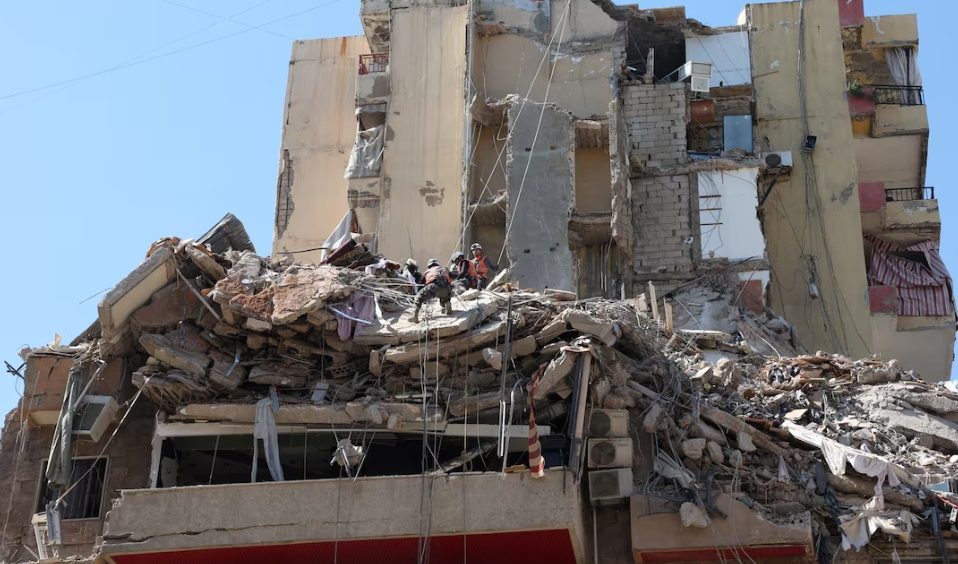
Israeli forces carried out an airstrike on Beirut’s southern suburbs, targeting what officials said was a senior commander in Hezbollah. The strike marked Israel’s first attack on the Lebanese capital’s southern outskirts since a ceasefire was declared last month, raising fresh concerns about a wider regional escalation.
Israeli authorities said the target was Ahmed Ali Balout, identified as a commander in Hezbollah’s elite Radwan Force. Lebanese media reported the strike hit the Haret Hreik district, a Hezbollah stronghold in Beirut’s southern suburbs.
Netanyahu Warns Militants Have “No Immunity”
Following the strike, Benjamin Netanyahu said militants threatening Israel would not be shielded from attack, declaring that “no terrorist has immunity.”
Netanyahu said the operation demonstrated Israel’s willingness to target commanders it believes are planning attacks, even inside heavily populated urban areas. The Israeli military accused Balout of directing operations against Israeli forces and northern Israeli communities.
Fragile Ceasefire Faces New Strain
The Beirut strike has placed new pressure on the fragile ceasefire between Israel and Hezbollah that took effect in mid-April after U.S.-brokered diplomacy aimed at containing broader regional fighting linked to the Iran conflict.
Although the truce reduced major hostilities, exchanges of fire have continued in southern Lebanon. Analysts say the latest strike risks undermining already delicate diplomatic efforts between Israel and Lebanon.
Casualties and Growing Civilian Anxiety
Lebanese officials said the strike caused casualties and damage in a densely populated residential district, prompting renewed panic among residents who had only recently returned following earlier bombardments.
Witnesses described scenes of confusion as families fled parts of southern Beirut. The attack revived fears that the Lebanese capital could once again become a major front in the conflict.
Regional Diplomacy Continues Despite Escalation
Despite the renewed violence, diplomatic efforts have not entirely stopped. U.S.-backed talks involving Israeli and Lebanese officials are still expected later this month in Washington, though Lebanese leaders have indicated that stabilizing the ceasefire remains the immediate priority.
Lebanese Prime Minister Nawaf Salam has said it is too early for high-level political breakthroughs while hostilities continue.
A Wider Signal From Israel
Security analysts say the strike sends a broader signal that Israel is prepared to act beyond its usual operational zones in southern Lebanon if it believes senior militant figures remain active.
For now, the killing of the Hezbollah commander appears to have deepened uncertainty over whether the current ceasefire can hold, with both sides facing renewed pressure as regional tensions remain high.
________________________________________________________________________________________________________________