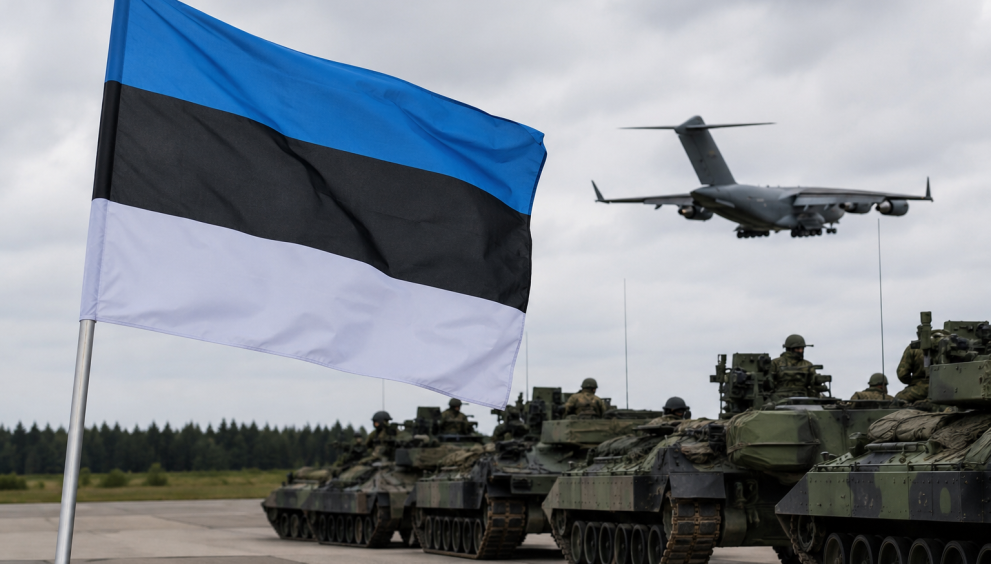
Estonia has confirmed that U.S. weapons shipments delayed by the recent conflict involving Iran are now expected to arrive within the coming months, providing reassurance that critical military modernization efforts remain on track despite temporary disruptions to global defense logistics.
The announcement comes as NATO members continue strengthening their defense capabilities amid heightened security concerns in Europe, with Estonia emphasizing that the delays are temporary and have not altered its long-term defense procurement plans.
Delays Linked to Middle East Conflict
Estonian defense officials said the delivery schedule for several U.S.-supplied weapons systems was affected after the United States temporarily redirected military resources and logistics to support operations related to the conflict with Iran.
The diversion of military assets and transportation capacity created delays for some international defense contracts, including equipment destined for European allies. However, officials stressed that Washington has reaffirmed its commitment to fulfilling existing agreements.
Estonia expects the postponed deliveries to resume over the next few months as supply chains stabilize and U.S. production schedules normalize.
Maintaining Military Readiness
Despite the shipment delays, Estonian officials said the country’s armed forces remain fully operational and capable of meeting national defense requirements.
The government noted that the delayed equipment represents part of a broader modernization programme aimed at enhancing Estonia’s long-range strike capability, air defense, ammunition reserves, and overall military readiness.
Defense officials added that existing stockpiles and ongoing procurement from other allied partners have helped minimize the operational impact of the delays.
NATO Defense Commitments Remain Strong
The update comes as NATO continues reinforcing its eastern flank following Russia’s ongoing war in Ukraine and growing regional security concerns.
Estonia, which shares a border with Russia, has consistently increased defense spending in recent years and remains one of NATO’s highest defense spenders relative to its gross domestic product.
The Baltic nation continues to host allied NATO troops and regularly participates in multinational military exercises designed to strengthen collective defense and interoperability.
Officials said the temporary delays have not weakened NATO’s security guarantees or the alliance’s commitment to defending its eastern member states.
Growing European Defense Investment
The delayed U.S. deliveries also underscore the growing pressure on global defense manufacturers as demand for military equipment continues to rise.
Since Russia’s invasion of Ukraine, many European countries have significantly expanded defense budgets, placing large orders for missiles, armored vehicles, artillery systems, ammunition, and air defense equipment.
The conflict in the Middle East further increased demand for U.S. military production, contributing to temporary supply chain constraints affecting several allied nations.
Analysts note that defense manufacturers in both the United States and Europe are continuing to expand production capacity to meet increasing global demand.
Estonia Continues Modernization Programme
Estonia has invested heavily in strengthening its armed forces through the acquisition of advanced weapons systems, ammunition, intelligence capabilities, cyber defense, and modern military infrastructure.
The country has also expanded cooperation with the United States and other NATO allies through joint training exercises, defense technology partnerships, and long-term procurement agreements.
Government officials say these investments are essential to maintaining credible deterrence and ensuring Estonia remains prepared for evolving security challenges.
Looking Ahead
Estonian authorities expressed confidence that the delayed American weapons shipments will begin arriving within the coming months, allowing defense modernization projects to continue without significant long-term disruption.
While acknowledging the challenges posed by shifting global security priorities, officials emphasized that cooperation between Estonia and the United States remains strong and that both countries remain committed to strengthening NATO’s collective defense posture.
As geopolitical tensions persist across Europe and the Middle East, Estonia is expected to continue accelerating defense investment while working closely with allied partners to ensure military readiness and regional stability.
________________________________________________________________________________________________________________