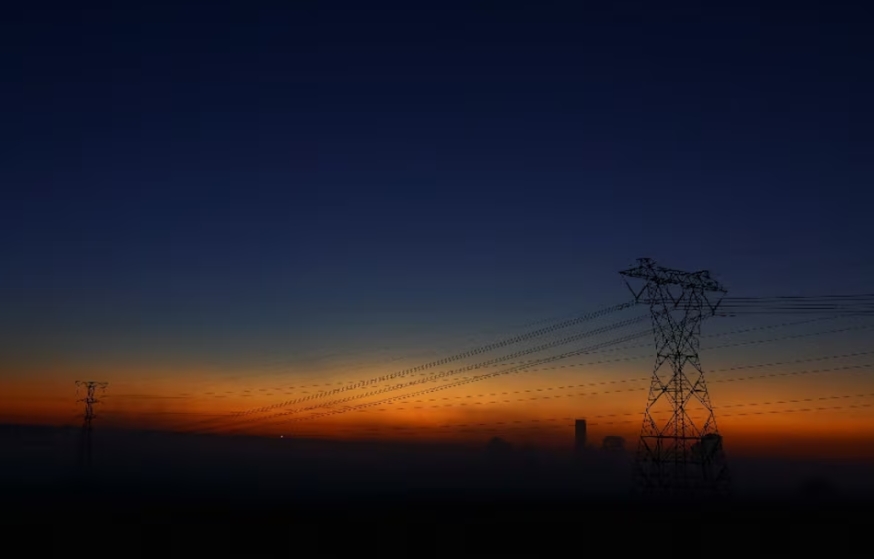
Eskom Warns Johannesburg Over Mounting Electricity Arrears
South Africa’s largest city, Johannesburg, could face severe electricity supply restrictions after state power utility Eskom warned that unpaid municipal debts have reached critical levels.
Eskom said it may begin throttling electricity supply to parts of Johannesburg if urgent payment arrangements are not made, escalating tensions between the utility and local authorities already struggling with financial and infrastructure challenges.
The warning comes as South Africa continues to battle long-standing energy problems, including aging infrastructure, high municipal debt and recurring power shortages that have weighed heavily on the country’s economy.
Billions Owed to Eskom
According to Eskom officials, municipalities across South Africa collectively owe the utility tens of billions of rand, with Johannesburg among the largest debtors due to unpaid electricity accounts and delayed settlements.
Eskom stated that continued non-payment threatens its operational stability and undermines efforts to maintain and improve the national electricity grid.
The utility warned that unless payment agreements are honored, it may implement “load reduction” measures effectively limiting the amount of electricity supplied to certain municipal areas during peak demand periods.
Unlike nationwide load-shedding, which affects the country broadly, load reduction targets specific municipalities or regions with severe debt problems.
Johannesburg Authorities Respond
City officials acknowledged ongoing financial pressures but said discussions with Eskom are continuing in an effort to avoid disruptions to residents and businesses.
Johannesburg’s municipal government argued that some billing disputes and broader economic difficulties have complicated payment schedules.
Officials also warned that restricting electricity supply to Africa’s economic hub could severely impact households, hospitals, transport systems and major industries operating in the city.
Johannesburg contributes a significant portion of South Africa’s economic output and serves as the country’s financial and commercial center.
Businesses and Residents Fear Further Disruptions
The possibility of additional electricity restrictions has raised concerns among residents and business owners already frustrated by years of power instability.
South Africa has endured repeated periods of rolling blackouts, known locally as load-shedding, caused by breakdowns at coal-fired power plants and limited generation capacity.
Although Eskom has recently managed to reduce the intensity of nationwide blackouts, the threat of municipal-specific restrictions has renewed fears of worsening energy insecurity.
Small businesses, manufacturers, retailers and mining-related industries operating in Johannesburg say additional disruptions could increase operational costs, reduce productivity and weaken investor confidence.
Infrastructure and Governance Challenges Persist
Energy analysts say the dispute reflects deeper structural problems facing South Africa’s electricity sector.
Many municipalities struggle to collect payments from consumers while also dealing with aging infrastructure, electricity theft, corruption allegations and rising maintenance costs.
Some municipalities rely heavily on electricity revenue collected from residents to fund broader public services, creating financial strain when consumers fail to pay their utility bills.
Experts warn that unless local governments improve revenue collection and infrastructure management, tensions between Eskom and municipalities are likely to intensify further.
Government Under Pressure to Stabilize Energy Sector
The South African government has been attempting to reform the country’s electricity system through investment programs, renewable energy expansion, and restructuring of Eskom.
However, progress has been slow due to financial constraints and operational difficulties.
President Cyril Ramaphosa has repeatedly described the energy crisis as one of the biggest threats to South Africa’s economic recovery and long-term growth.
The government has also encouraged private power generation projects to reduce dependence on Eskom’s aging coal fleet.
Despite some improvements in generation performance this year, analysts say municipal debt remains one of the biggest risks facing the utility’s financial sustainability.
Possible Economic Impact
Economists warn that major electricity restrictions in Johannesburg could have national consequences given the city’s importance to banking, trade, logistics and industrial activity.
Any sustained reduction in power supply could affect financial markets, manufacturing output and investor sentiment at a time when South Africa is already facing slow economic growth and high unemployment.
Businesses are now closely monitoring negotiations between Eskom and city authorities in hopes that an agreement can be reached before any supply throttling measures are introduced.
For now, Eskom says it remains committed to finding a solution but insists that municipalities must meet their financial obligations to ensure the stability of South Africa’s electricity network.
________________________________________________________________________________________________________________