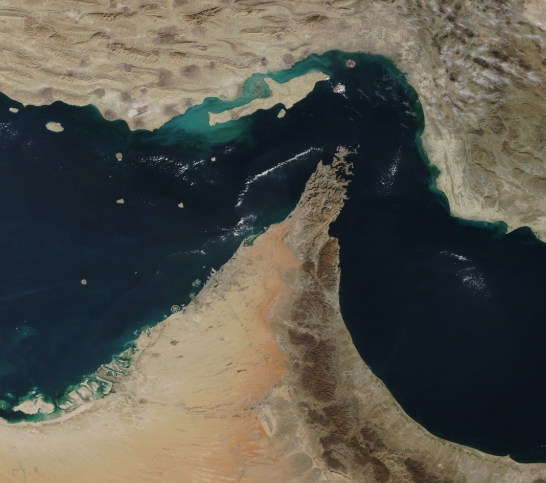
U.S. President Donald Trump has insisted that the Strait of Hormuz is open and operating, but new shipping data indicates that traffic through the strategic waterway remains severely restricted amid the ongoing confrontation between Washington and Tehran.
Trump said earlier this week that the U.S. naval blockade remained in force and that mines in the waterway had been removed or detonated. Iran, however, has continued to maintain that the strait remains closed until Washington meets conditions linked to an interim agreement.
Shipping Traffic Remains Extremely Low
Data from ship-tracking company Kpler showed that only nine commodity vessels passed through the Strait of Hormuz on Wednesday, the same number recorded the previous day. The figures highlight the gap between Trump’s assertion that the waterway is fully operational and the reality faced by commercial shipping.
Some vessels may not appear in tracking data because their transponders are switched off, but overall traffic remains far below normal levels. The disruption is particularly significant because Hormuz is a crucial route for global oil and liquefied natural gas supplies.
Iran’s Grip Appears Less Absolute
The latest developments also suggest that Iran’s ability to exercise complete control over the waterway may be more limited than some recent statements from Tehran have suggested. While Iranian officials have claimed that the strait is under their control, vessels continue to make limited crossings, including through routes where Tehran’s ability to regulate traffic is more constrained.
The United States, meanwhile, has maintained pressure on Iran while insisting that it can keep the waterway open through its naval presence.
Diplomatic Standoff Continues
The dispute over Hormuz remains one of the central obstacles to a broader U.S.-Iran settlement. Iran has demanded the lifting of the U.S. blockade and oil sanctions, the release of frozen Iranian assets and an end to military threats and operations. Washington has continued to push for major concessions from Tehran, including over its nuclear programme.
For global energy markets, the uncertainty remains significant. With shipping still operating at only a fraction of normal levels, prolonged disruption could continue to affect oil prices, insurance costs and international supply chains.
The competing claims over the Strait of Hormuz underscore the fragile state of the U.S.-Iran confrontation, with neither side showing signs of backing down despite mounting economic pressure.