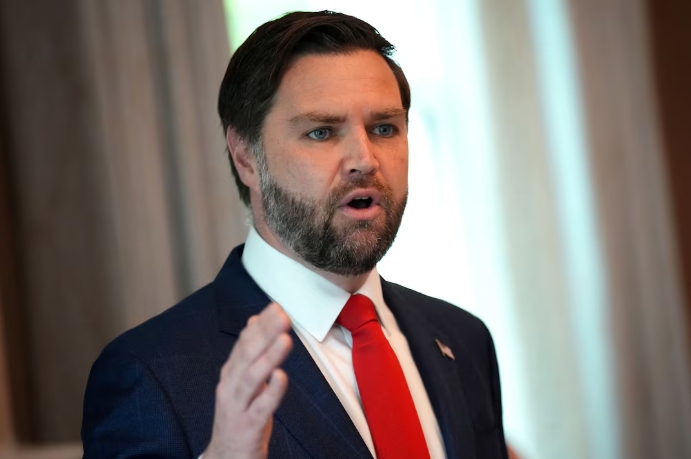
U.S. Vice President JD Vance has sharply criticized Canada’s trade policies, accusing Ottawa of imposing unfair barriers on American goods and calling for a more balanced trading relationship as tensions between the two countries intensify.
Speaking in Maine on Monday, Vance said Canada and China have among the world’s most problematic trade policies. He specifically pointed to Canadian tariffs on U.S. agricultural products, arguing that American farmers face significantly higher duties when exporting to Canada than Canadian producers face when selling similar goods in the United States.
Vance also accused Canada of allowing Chinese goods to enter its market on more favorable terms than products from U.S. states such as Maine. He said Washington expects Canada to address what the administration considers unfair trade practices and remove barriers affecting American businesses.
His comments come after U.S.-Canada trade negotiations broke down last week, triggering a fresh escalation in the trade dispute. The Trump administration has imposed 50% tariffs on about $20 billion of Canadian goods, while President Donald Trump has separately threatened to raise tariffs on Canadian automobiles, trucks and parts to 50% from January 1, 2027.
Canada has rejected Washington’s approach and Prime Minister Mark Carney has pledged a dollar-for-dollar response. Ottawa is preparing retaliatory tariffs scheduled to take effect on September 8, while the government says it will also support Canadian workers and businesses affected by the U.S. measures.
The dispute is particularly significant for the North American automotive industry, where production networks depend heavily on cross-border supply chains. Businesses on both sides of the border have warned that prolonged tariffs could increase costs, disrupt manufacturing and put jobs at risk.
Vance’s remarks underscore the Trump administration’s increasingly confrontational approach toward Canada, even as Washington and Ottawa remain major economic partners. With negotiations stalled and new tariffs looming, pressure is growing on both governments to find a compromise before the dispute causes deeper damage to bilateral trade.
_______________________________________________________________________________________________________________