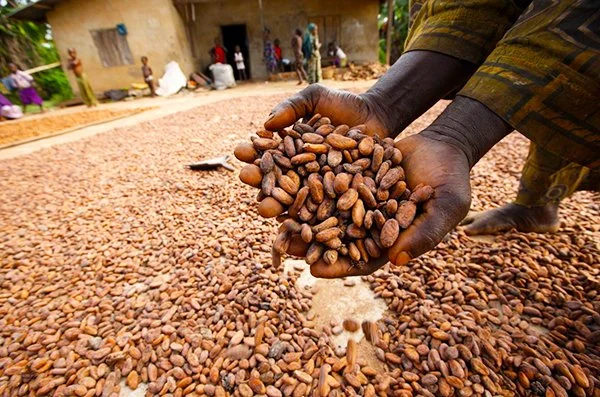
Ghana’s cocoa regulator, the Ghana Cocoa Board (COCOBOD), has secured 3.39 billion Ghanaian cedis ($288.02 million) through a short-term domestic debt issuance to strengthen funding for cocoa purchases from farmers during the new crop season.
Funding to Support Cocoa Purchases
The debt was issued on Monday at an 11% interest rate and is due to mature in June 2027. COCOBOD had targeted 4 billion cedis, equivalent to about $339.85 million, for the transaction.
The funds are expected to allow COCOBOD to begin disbursing money to Licensed Buying Companies (LBCs), which purchase cocoa directly from farmers.
The move comes as Ghana seeks to ensure that farmers are paid promptly and that cocoa purchases continue without disruption during the 2026/27 season.
New Season Faces Financing Challenges
Ghana opened its new cocoa season on September 25, but licensed buyers had warned that they would be reluctant to purchase beans using their own funds while waiting several months for reimbursement from COCOBOD.
The latest financing is therefore expected to ease liquidity pressures across the cocoa supply chain and provide buyers with the funds needed to continue purchasing from farmers.
Part of a $1.38 Billion Financing Programme
The $288 million transaction represents the first of three planned debt tranches under COCOBOD’s wider 16.3 billion-cedi ($1.38 billion) domestic financing programme.
The programme was announced as part of Ghana’s effort to establish a more sustainable financing model for the cocoa sector. The government previously said 14 billion cedis would be raised through commercial paper to meet short-term cocoa purchasing needs, while 2.3 billion cedis would be raised through longer-term bonds to refinance existing COCOBOD debt.
Shift Away From Traditional Foreign Financing
The financing strategy represents a significant shift for COCOBOD, which has historically relied heavily on international syndicated loans to fund cocoa purchases.
That model became increasingly difficult after Ghana’s economic crisis and the restructuring of COCOBOD-related debt. A subsequent arrangement involving international cocoa traders also faced difficulties, contributing to payment delays during the previous season.
The new domestic financing programme is intended to reduce those vulnerabilities while strengthening COCOBOD’s financial position.
Focus on Farmers and Cocoa Sector Stability
The funding comes as Ghana works to protect the livelihoods of cocoa farmers and maintain its position as one of the world’s leading cocoa producers.
COCOBOD has also introduced broader reforms to improve the financial sustainability of the industry, including a new financing framework and changes to cocoa pricing. The government has said the reforms are designed to support timely purchases, address legacy obligations and strengthen the cocoa sector over the longer term.
The success of the latest financing will be closely watched by farmers, licensed buyers and investors as Ghana seeks to maintain cocoa production while reducing its dependence on external borrowing.
________________________________________________________________________________________________________________