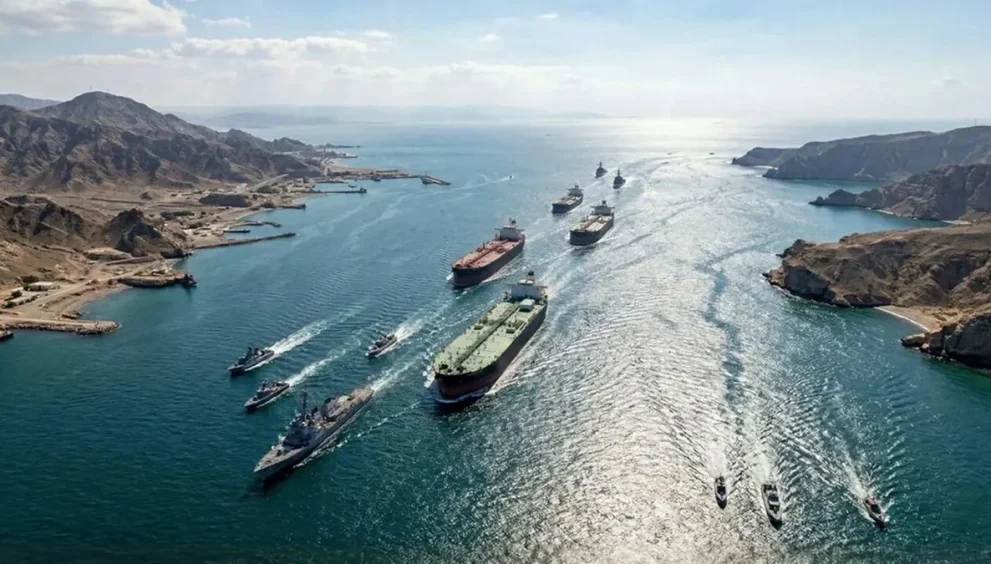
Shipping traffic through the Strait of Hormuz has fallen to its lowest level in more than two months after a sharp increase in tanker attacks raised fresh concerns about the safety of the strategic energy corridor.
Vessel Traffic Drops Sharply
Data from shipping analytics firm Kpler showed that only seven commodity vessels passed through the strait on Tuesday, the lowest daily figure since July 23. Vessel movements rose slightly to 10 on Wednesday but remained significantly below the levels recorded earlier in the week.
The decline comes after tanker attacks in the region reached their highest weekly level since the start of the US-Israeli war with Iran, increasing pressure on shipping operators and raising the risks associated with transporting energy through the waterway.
Crude Oil Flows Also Decline
Crude oil volumes crossing Hormuz have fallen by about 27% from the wartime peak, reaching approximately 10.1 million barrels per day. That represents around 74% of pre-war levels, according to Kpler data cited by Reuters.
The Strait of Hormuz is one of the world’s most important energy chokepoints, with roughly a fifth of global crude oil and liquefied natural gas supplies traditionally moving through the corridor.
Alternative Routes Help Maintain Exports
Despite the decline in Hormuz traffic, Gulf producers have increased shipments through alternative routes. Oil exports through the Gulf of Oman and Red Sea rose to around 6.7 million barrels per day, more than twice their pre-war level, helping offset some of the reduction through Hormuz.
This has allowed overall Middle East crude exports to remain closer to pre-conflict levels, although the additional routes involve greater logistical and security challenges.
Rising Security Risks Threaten Energy Markets
The latest decline highlights the continuing vulnerability of international shipping to the conflict. A tanker was recently struck by multiple projectiles near Qatar, with casualties reported, while attacks on vessels have contributed to growing concerns among shipowners, insurers and energy traders.
The disruption is also putting pressure on global energy markets, with Brent crude trading around or above $100 a barrel amid continued uncertainty over regional supplies and shipping security.
Global Supply Concerns Persist
Although alternative export routes are helping maintain oil supplies, prolonged disruption around Hormuz could increase transportation costs, insurance premiums and fuel prices while putting additional pressure on global supply chains.
With tensions between the United States, Israel and Iran continuing, the future of shipping through the Strait remains closely tied to developments in the wider conflict and efforts to restore maritime security.
________________________________________________________________________________________________________________