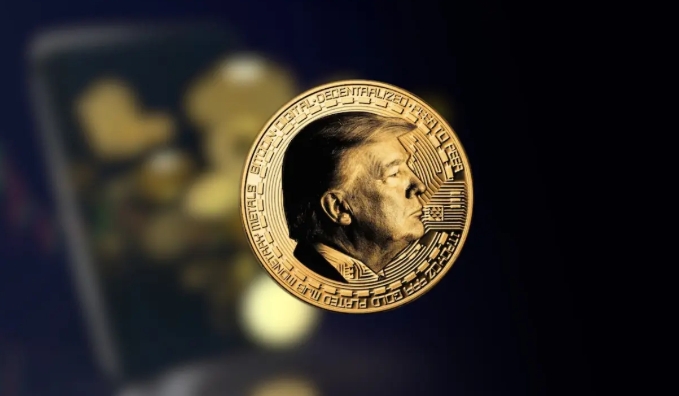
A new investigation has revealed that the cryptocurrency venture tied to U.S. President Donald Trump and Iran’s biggest digital asset exchange relied on some of the same global blockchain infrastructure, raising fresh questions about sanctions enforcement, political conflicts of interest and the growing influence of cryptocurrency in international finance.
The investigation, published by a media outlet, found that Iran’s largest crypto exchange, Nobitex, processed billions of dollars using blockchain networks associated with crypto billionaires Justin Sun and Changpeng Zhao the same industry figures who helped support Trump-linked crypto projects in recent years.
According to Reporters, Nobitex moved at least $2.3 billion through the Tron and BNB Chain blockchain systems since 2023. The same blockchain ecosystems later became closely tied to World Liberty Financial, the Trump family’s flagship crypto business.
Shared Crypto Infrastructure Raises Concerns
Blockchain networks such as Tron and BNB Chain function as decentralized digital ledgers that allow users to transfer cryptocurrencies globally without relying on traditional banks.
Because these networks are public and widely used, they can be utilized by both legitimate businesses and sanctioned entities. Investigators and financial crime analysts say that has made them increasingly attractive to countries like Iran, which faces extensive Western sanctions limiting access to the global banking system.
The Reporters investigation found that Iranian entities linked to the country’s central bank and the Islamic Revolutionary Guard Corps allegedly used these crypto networks to facilitate transactions despite sanctions restrictions.
Analysts say cryptocurrency has become an important financial tool for Iran as tensions with the United States and Israel continue to escalate.
Trump Crypto Venture Draws Scrutiny
The overlap has generated political controversy because the same crypto industry leaders connected to these blockchain systems also invested in or publicly supported Trump-linked crypto ventures.
World Liberty Financial was launched in 2024 and quickly became one of the most high-profile political crypto businesses in the United States. The company developed digital tokens and a dollar-linked stablecoin called USD1 while attracting backing from major crypto investors.
Justin Sun reportedly invested tens of millions of dollars into the venture and later became an adviser to the company.
Meanwhile, Binance founder Changpeng Zhao remained an influential figure in the broader crypto ecosystem connected to the project. Reuters reported that Binance and associated blockchain infrastructure helped lend credibility to World Liberty’s expansion.
Critics argue the overlap creates ethical and national security concerns because Trump’s administration has simultaneously pursued aggressive sanctions policies against Iran while maintaining close ties to crypto figures whose platforms were allegedly used by Iranian-linked entities.
No Evidence Trump Venture Directly Involved
Reporters said there is no evidence that Trump, his family or executives at World Liberty Financial knowingly facilitated Iranian transactions or had direct involvement with Nobitex activities.
Blockchain companies including Tron and Binance have also denied knowingly enabling sanctions evasion, arguing that blockchain networks are open systems that can be used by anyone globally.
However, financial crime experts say the situation highlights the difficulty regulators face in policing decentralized cryptocurrency systems, particularly during periods of geopolitical conflict.
Iran Increasingly Turns to Crypto
Iran has increasingly embraced cryptocurrency as sanctions pressure intensified. Officials in Tehran have promoted digital assets as a way to bypass restrictions on international banking and trade.
U.S. authorities have repeatedly warned that Iranian-linked crypto exchanges and financial networks are being used to launder money, finance sanctioned activities and move funds internationally outside traditional banking oversight.
In recent months, the U.S. Treasury Department has instructed American banks to monitor transactions potentially linked to Iranian crypto networks and sanctions evasion schemes.
Crypto and Politics Becoming Increasingly Entangled
The controversy also reflects the growing intersection between politics and cryptocurrency in the United States.
Since returning to office, Trump has positioned himself as one of the most crypto-friendly presidents in U.S. history, backing looser regulation and encouraging digital asset innovation. His family’s expanding crypto empire including meme coins, stablecoins and blockchain ventures has generated billions in market value and drawn criticism from ethics watchdogs and political opponents.
The issue has become even more sensitive amid ongoing tensions with Iran and increasing scrutiny over how digital currencies are being used to circumvent sanctions globally.
Experts warn that as cryptocurrencies become more integrated into geopolitics and international finance, governments may face growing pressure to tighten oversight of blockchain platforms and politically connected crypto ventures.
________________________________________________________________________________________________________________