Kenya’s public transport operators have officially called off a nationwide strike after the government announced a fresh reduction in diesel prices following days of protests and mounting public anger over rising living costs.
The breakthrough came after President William Ruto pledged further fuel price relief during meetings with transport sector representatives, easing tensions that had disrupted transport services across major cities including Nairobi and Mombasa.
Strike Triggered by Soaring Fuel Costs
The strike began earlier this week after sharp increases in diesel prices pushed transportation costs to record highs, sparking protests among bus and minibus operators commonly known as “matatus.”
Transport operators argued that the rising fuel prices had made it nearly impossible to continue operating profitably without significantly increasing fares for commuters already struggling with inflation and economic hardship.
Kenya’s Energy and Petroleum Regulatory Authority had earlier raised diesel prices by more than 23% during the May–June pricing cycle, pushing pump prices to approximately 242.92 Kenyan shillings per litre. The increase was linked largely to global supply disruptions caused by conflict in the Middle East and instability affecting energy markets.
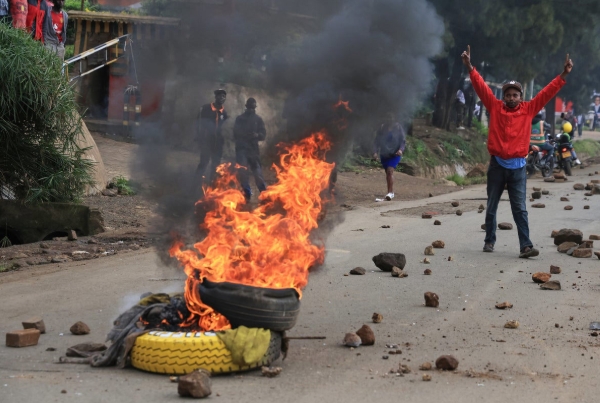
The fuel hikes triggered widespread protests in several Kenyan towns, with demonstrators blocking roads, burning tires, and clashing with police.
Violence During Demonstrations
The unrest turned deadly as police moved to disperse protesters in multiple locations.
According to Kenyan authorities, at least four people were killed and around 30 others injured during the protests. Security forces reportedly used tear gas and live ammunition in some confrontations as demonstrators disrupted transport routes and major highways.
The protests caused major disruption to daily life, particularly in Nairobi, where thousands of commuters were stranded after matatus and buses stopped operating.
Some schools and businesses temporarily closed due to transport disruptions and security concerns.
Government Announces Diesel Price Reduction
Following negotiations with transport sector leaders, President Ruto announced that the government would reduce diesel prices by an additional 10 Kenyan shillings per litre in the upcoming June–July fuel pricing cycle.
The government had already introduced a temporary 10-shilling reduction earlier in the week during negotiations, but operators insisted that further action was necessary to end the strike.
In a televised address, Ruto said the price cuts were intended to stabilize the economy and provide relief to consumers affected by the surge in global oil prices.
The president also defended Kenya’s government-to-government fuel supply arrangement with Middle Eastern countries, saying the system had helped prevent severe fuel shortages despite global supply chain disruptions linked to the Iran conflict.
Transport Operators Suspend Further Action
After meeting government officials at State House in Mombasa, transport leaders agreed to call off the planned continuation of the strike that had been scheduled to resume next week.
Federation of Public Transport Sector Chairperson Edwin Mukabana instructed drivers, conductors, and transport investors to return vehicles to the roads following the government’s latest commitment on fuel prices.
The decision is expected to restore normal public transportation services across Kenya and ease pressure on commuters and businesses affected by the shutdown.
Economic Pressure Continues
Despite the agreement, economists warn that Kenya continues to face serious economic pressure from global fuel market volatility.
The government’s decision to subsidize diesel prices is expected to increase fiscal strain at a time when debt servicing already consumes a large share of state revenue. Reporters mentioned that Kenya spent at least 28.1 billion Kenyan shillings on fuel subsidies between April and June alone.
Analysts also note that fuel prices directly affect food costs, transport fares, and inflation in Kenya, where many households are already struggling with the rising cost of living.
Opposition leaders have criticized the government’s handling of the fuel crisis, accusing authorities of failing to control market inefficiencies and protect ordinary citizens from economic hardship.
Regional Implications
Kenya plays a critical role as a transportation and logistics hub for East Africa, supplying fuel and goods to neighboring landlocked countries including Uganda, Rwanda, South Sudan and parts of the Democratic Republic of Congo.
Any prolonged disruption to Kenya’s transport system or fuel supply chain could have wider regional economic consequences.
For now, however, the suspension of the strike has brought temporary relief to commuters, businesses and government officials seeking to prevent further unrest.
________________________________________________________________________________________________________________