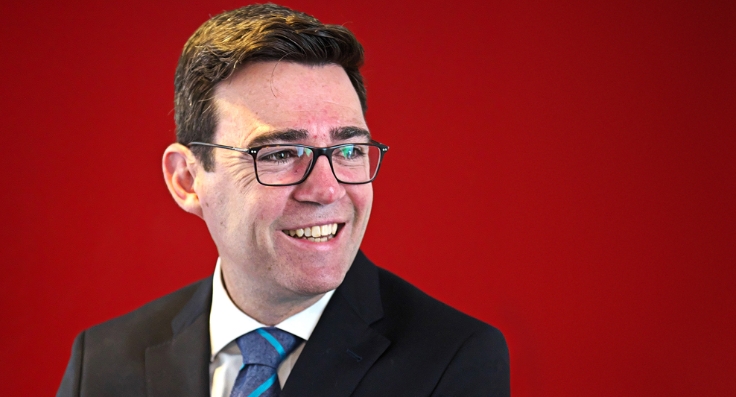
Labour leadership frontrunner Andy Burnham is set to unveil an ambitious plan to dramatically shift political and economic power away from London and into Britain’s regions, as he positions himself to become the country’s next prime minister following the resignation announcement of Prime Minister Keir Starmer.
Burnham, the former mayor of Manchester and now a Labour lawmaker, is expected to outline his vision for a more decentralized United Kingdom in a major speech on Monday, promising what he describes as a “fundamental change” in how the country is governed.
A “No 10 North” Vision
At the heart of Burnham’s proposals is a flagship policy dubbed “Number 10 North,” which would see elements of government operations and decision-making moved away from Westminster and closer to communities across England and the wider UK.
The plan seeks to give regional authorities and local governments greater control over areas including housing, transport, education, welfare, and economic development. Burnham argues that decades of centralized policymaking have contributed to stark regional inequalities and slowed economic growth outside the capital.
The former Greater Manchester mayor has long championed devolution, citing the success of regional governance models that have delivered improvements in transport, housing, and investment in northern England.
A 10-Year Economic Renewal Plan
Burnham is also expected to unveil a decade-long strategy aimed at raising living standards and revitalizing Britain’s economy through:
- Reindustrialisation and manufacturing growth;
- Large-scale infrastructure investment;
- Expanded housing construction;
- Reform of energy and water utilities;
- Skills and education reforms;
- Measures to create more high-quality jobs across the country.
The strategy aims to ensure what Burnham calls “good growth in every postcode,” seeking to reduce the economic divide between London and other regions.
Support for British Industry
A key component of Burnham’s agenda involves reforming public procurement rules to prioritize British companies and protect domestic jobs and industries.
He is also expected to push for stronger partnerships between local governments, businesses, and communities, replicating the collaborative model that many supporters credit with Greater Manchester’s economic resurgence.
Economic Challenges Ahead
Despite the ambitious proposals, analysts say Burnham would inherit significant economic challenges if he becomes prime minister.
Britain continues to grapple with sluggish economic growth, strained public finances, and increasing pressure on public services. Rising energy costs and global geopolitical tensions, including the war in Ukraine and instability in the Middle East, have further complicated the economic outlook.
Burnham has sought to reassure financial markets by pledging to maintain fiscal discipline, balance public spending, and adhere to Labour’s existing fiscal rules, despite previously supporting more interventionist economic policies.
Leadership Race Appears All But Decided
Following Starmer’s decision to step down, Burnham currently stands as the only declared candidate in the Labour leadership race and could be installed as Britain’s next prime minister within weeks if no challenger emerges.
Many within Labour believe Burnham is the party’s strongest figure to counter the growing popularity of Reform UK and reconnect with voters who have become increasingly frustrated with traditional Westminster politics.
If confirmed as prime minister, Burnham would become Britain’s seventh leader in just a decade, inheriting a nation facing economic uncertainty and political fragmentation while attempting to deliver one of the most significant shifts in British governance in modern history.
________________________________________________________________________________________________________________