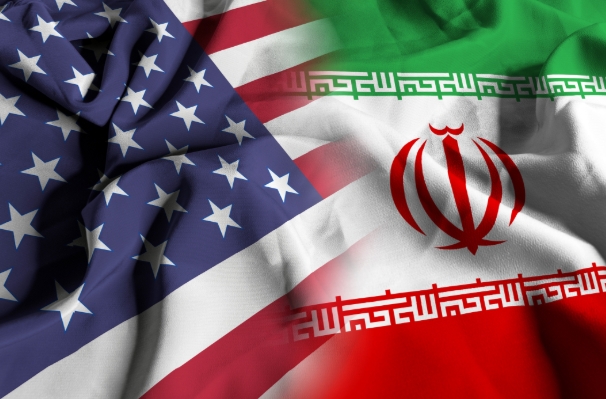
The United States and Iran have agreed to halt recent military attacks and return to diplomatic negotiations, offering renewed hope that a fragile peace deal in the Gulf can be preserved after several days of escalating violence.
According to a U.S. official, both sides have agreed to “stand down for now” and continue technical discussions under a 14-point memorandum of understanding (MOU) reached on June 17, which aimed to reopen the Strait of Hormuz and reduce regional tensions.
The renewed diplomatic push comes after days of missile and drone exchanges that threatened to derail the interim agreement. The latest flare-up began when an Iranian projectile struck a commercial cargo vessel in the Strait of Hormuz, prompting retaliatory military actions by both Washington and Tehran.
Talks to Resume in Qatar
Officials said U.S. and Iranian representatives are expected to meet in Doha, Qatar, on Tuesday to continue negotiations focused on security arrangements in the Strait of Hormuz and the implementation of the June agreement.
The strategic waterway, through which nearly a fifth of the world’s oil supply passes, has remained at the center of the crisis. The June accord was designed to guarantee freedom of navigation and prevent further disruptions to global energy markets.
Despite the agreement to halt attacks, uncertainty remains over the negotiations. Iranian officials have sent mixed signals in recent days, with some indicating that Tehran had suspended participation in technical talks due to what it described as unmet commitments by Washington.
Recent Strikes Raised Fears of Wider Conflict
Over the weekend, Iran launched missile and drone attacks targeting U.S. military facilities in Bahrain and Kuwait, accusing Washington of violating the ceasefire terms. The United States responded with fresh strikes against Iranian targets, raising fears that the region was sliding back toward a broader conflict.
The exchanges also heightened concerns among Gulf states and international shipping companies, with hundreds of vessels affected by disruptions in the Strait of Hormuz. Oil prices initially rose amid fears of supply interruptions before stabilizing following reports of the new ceasefire agreement.
Diplomatic Window Remains Fragile
Regional mediators, including Qatar and other Gulf nations, have reportedly established de-escalation channels to prevent further incidents and keep both sides engaged in dialogue.
Analysts caution that the agreement remains highly fragile, with major disagreements still unresolved, including Iran’s nuclear programme, sanctions relief, and long-term security arrangements in the Gulf.
Nevertheless, the decision by both Washington and Tehran to return to negotiations marks the most significant diplomatic opening in weeks and could help prevent another dangerous escalation in one of the world’s most strategically important regions.
For now, both sides appear determined to avoid a return to full-scale hostilities while testing whether diplomacy can succeed where military pressure has failed.
________________________________________________________________________________________________________________