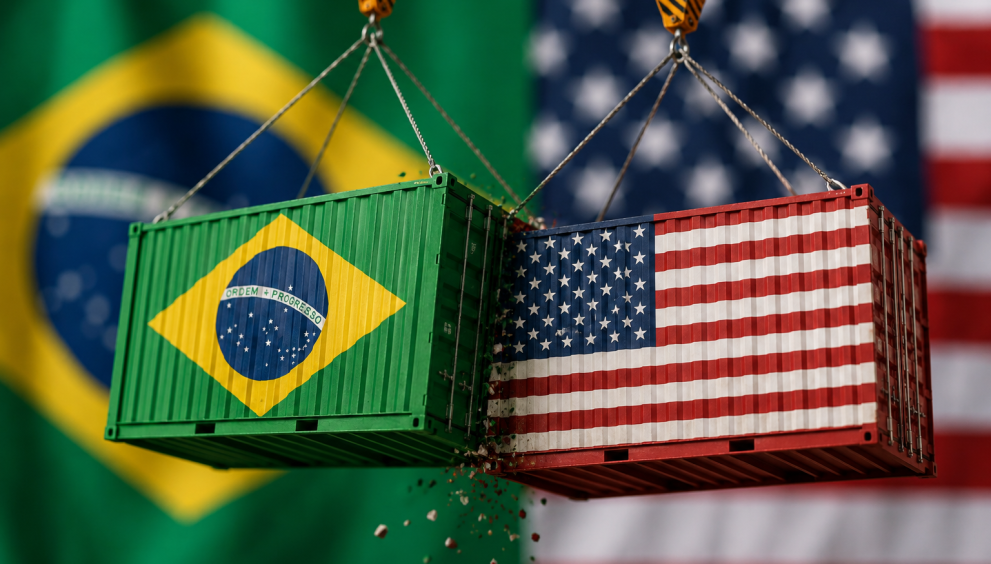
Brazil is preparing for a fresh round of U.S. tariffs after the Trump administration moved closer to imposing new trade measures on thousands of Brazilian products, escalating economic tensions between the Western Hemisphere’s two largest economies.
According to sources familiar with the matter, Washington is expected to announce a 25% tariff on more than 4,000 Brazilian products worth an estimated $15 billion in annual trade, as part of a broader campaign targeting what the United States describes as unfair foreign trade practices.
Trump Administration Broadens Trade Strategy
The proposed tariffs form part of a wider trade agenda under President Donald Trump that has seen the United States launch dozens of investigations into trading partners under Section 301 of U.S. trade law.
U.S. officials argue that Brazil has engaged in practices that disadvantage American businesses, citing concerns over digital trade policies, alleged illegal deforestation, and Brazil’s Pix instant-payment system, which Washington claims creates obstacles for U.S. financial companies. Brazilian officials have strongly rejected the allegations, calling them politically motivated and lacking factual basis.
Key Exports Could Be Spared
While thousands of Brazilian goods are expected to face higher duties, sources indicate that several strategically important exports may remain exempt.
Products expected to avoid the new tariffs include:
- Coffee
- Beef
- Aircraft parts
- Certain agricultural commodities
The exemptions reflect the importance of Brazilian supplies to U.S. industries, particularly food processors, airlines and manufacturers that rely heavily on Brazilian imports.
Brazil Considers Response
Brazilian officials are assessing the potential economic impact while weighing possible retaliatory measures should the tariffs take effect.
Government officials have warned that reciprocal trade actions remain under consideration, although Brasília continues to favor negotiations aimed at avoiding a wider trade dispute.
Business leaders in Brazil have criticized the proposed tariffs, arguing they would increase costs for companies in both countries, disrupt supply chains and reduce bilateral trade.
Trade Dispute Carries Political Implications
The tariff dispute is unfolding against the backdrop of Brazil’s upcoming presidential election, where President Luiz Inácio Lula da Silva is expected to face Senator Flávio Bolsonaro.
Analysts say the growing trade tensions could become a major campaign issue, with both candidates likely to present competing visions for Brazil’s economic relationship with Washington.
Recent polling suggests Lula has strengthened his lead following several political developments, including the U.S. tariff debate.
China Emerges as Alternative Partner
The trade uncertainty is also accelerating Brazil’s efforts to deepen commercial ties with China, which has become Brazil’s largest trading partner.
Economists note that prolonged trade friction with Washington could encourage Brazilian exporters to diversify their overseas markets further, particularly across Asia.
The United States remains one of Brazil’s largest export destinations, making any significant tariff increase potentially costly for businesses on both sides of the Atlantic.
More Trade Investigations Expected
The proposed tariffs are reportedly just one element of a broader U.S. trade strategy.
Washington is currently conducting roughly 80 trade investigations involving multiple countries and is also examining allegations of forced labor that could result in additional duties on selected imports, including goods from Brazil.
Outlook
Negotiations between Washington and Brasília are expected to continue before the proposed tariffs are finalized. While both governments have indicated they remain open to dialogue, officials acknowledge that failure to reach an agreement could lead to one of the most significant trade disputes between the United States and Brazil in recent years.
The outcome will be closely watched by global markets, exporters and multinational companies, as it could influence trade flows, commodity prices and broader economic relations throughout the Americas.
________________________________________________________________________________________________________________