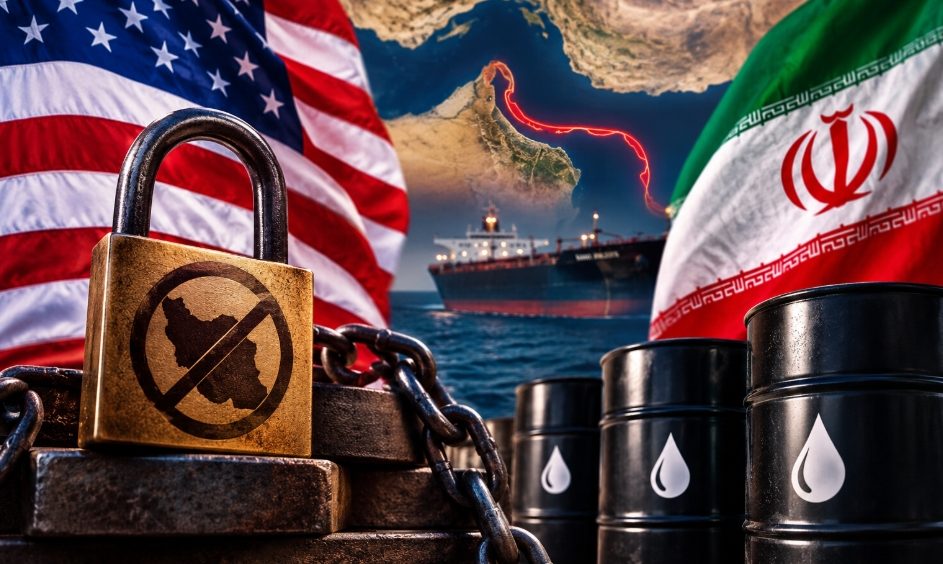
The United States is preparing what Treasury Secretary Scott Bessent has described as the “toughest sanctions in history” against Iran, dramatically escalating Washington’s economic campaign against Tehran as the conflict and tensions surrounding the region continue.
Bessent said Thursday that the new measures would be designed to intensify pressure on Iran’s economy and reduce the need for further major military operations. He described the strategy as a “one-two punch” combining the existing U.S. blockade with sweeping new sanctions.
Washington Signals Maximum Economic Pressure
Bessent said the United States intends to use its financial power to isolate Iran and restrict the resources available to its government and military. He also called on U.S. allies and other countries to cooperate with Washington rather than continue commercial relationships that could provide Tehran with an economic lifeline.
The Treasury secretary is expected to provide further details at a press conference on Monday, August 24, including the scope and implementation of the new measures.
The announcement follows President Donald Trump’s warning that countries providing Iran with financial, commercial or logistical support could face serious economic consequences. Trump has framed the campaign as a broader effort to force Tehran to change its policies without requiring another major escalation on the battlefield.
Iran’s Oil Trade in the Crosshairs
Iran’s oil industry is expected to be a major focus of the intensified pressure. China is Iran’s largest buyer of seaborne crude and takes more than 80% of Iran’s shipped oil, according to Kpler data cited by Reuters.
That makes Beijing a critical factor in the effectiveness of any new U.S. sanctions campaign. Washington is seeking Chinese cooperation, but Beijing has rejected the idea that sanctions will resolve the confrontation and has called for diplomatic efforts instead.
Fresh Reuters reporting on August 21 indicated that Iranian oil offers to Chinese buyers have already fallen sharply as the U.S. blockade disrupts Iranian exports and raises concerns over further sanctions. Iranian oil stored in Asian and international waters has also declined, while Chinese imports of Iranian crude have fallen significantly compared with 2025 levels.
China Faces a Difficult Choice
The pressure on China could become one of the most consequential aspects of Washington’s strategy. Beijing maintains extensive economic ties with Tehran and remains an important destination for Iranian crude.
The Trump administration’s threatened secondary sanctions could therefore affect companies, financial institutions and other entities outside Iran if Washington determines that they are helping Tehran circumvent U.S. restrictions.
China, however, has signaled that it does not believe additional sanctions will solve the underlying dispute. The growing disagreement could further strain already complicated U.S.-China economic and diplomatic relations.
Strait of Hormuz Adds to Global Economic Risks
The sanctions announcement comes amid continuing disruption around the Strait of Hormuz, one of the world’s most strategically important energy corridors.
The waterway is critical to global oil and gas supplies, meaning prolonged restrictions on shipping could have consequences well beyond Iran and the United States. The combination of sanctions, shipping disruptions and reduced Iranian oil exports has already contributed to heightened concerns about energy prices and global supply chains.
Iran Rejects the Pressure
Iran has condemned the U.S. economic campaign, describing the proposed sanctions as a form of “economic terrorism.” Tehran has continued to resist Washington’s demands despite years of sanctions and increasing economic pressure.
The latest measures also come as the United States continues to target organizations connected to Iran. On August 20, Washington imposed additional sanctions on Hezbollah, citing the group’s relationship with Iran’s Islamic Revolutionary Guard Corps-Quds Force.
What Happens Next?
The immediate focus will be on Bessent’s planned announcement on August 24. The details will determine how extensively the United States intends to target Iran’s oil exports, financial networks, shipping operations and foreign companies doing business with Tehran.
The success of the strategy will depend partly on whether major trading partners, particularly China, comply with Washington’s demands. If countries continue purchasing Iranian oil or facilitating trade, the United States could face a difficult enforcement challenge.
For Iran, the intensified sanctions campaign could place additional pressure on oil revenues, foreign currency availability and domestic economic conditions. For global markets, however, any further disruption to Iranian energy exports or shipping through the Strait of Hormuz could increase volatility in oil prices and raise concerns about inflation.
The announcement therefore marks a significant escalation in the economic dimension of the U.S.-Iran confrontation, with potentially far-reaching consequences for international trade, energy markets and relations between Washington and Beijing.
________________________________________________________________________________________________________________